Blog

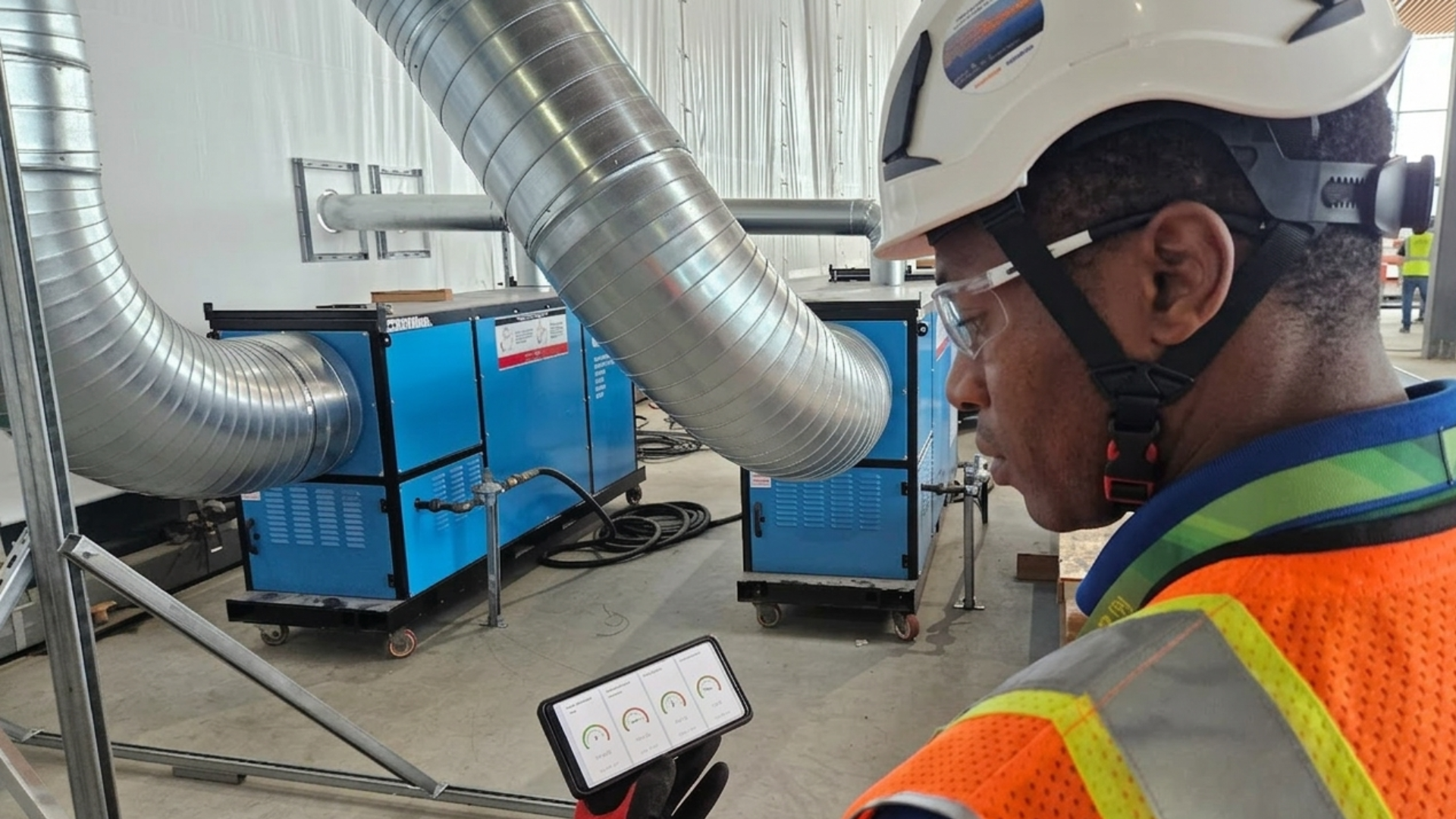
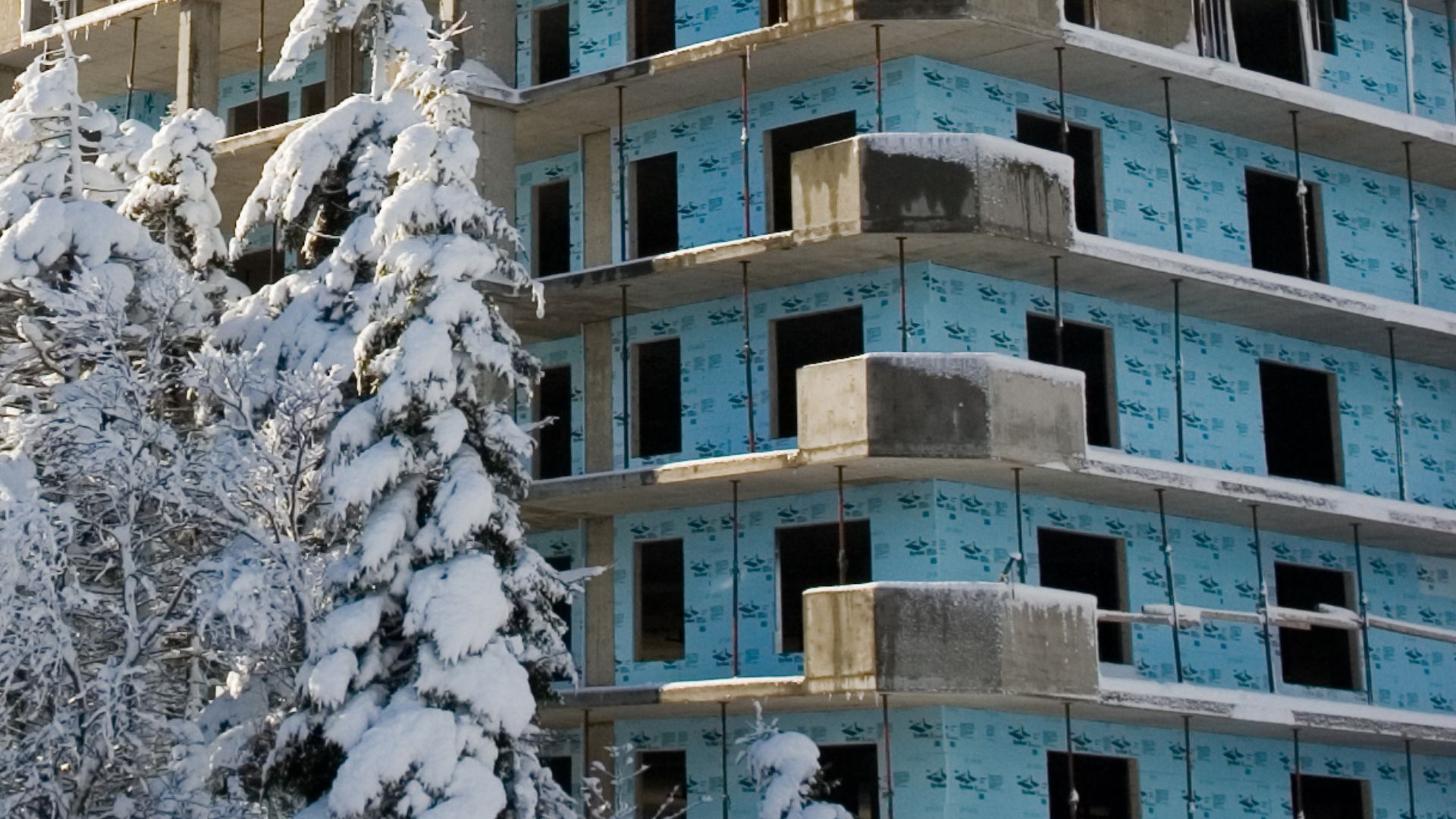
Do You Have a Construction Site Heating Strategy?

Temporary Climate Solutions

Don't treat ideal construction site conditions as an afterthought. Include a performance-based climate control strategy in your project's planning stage. It saves money, prevents delays, and provides the project team with a safer working environment.

Read more

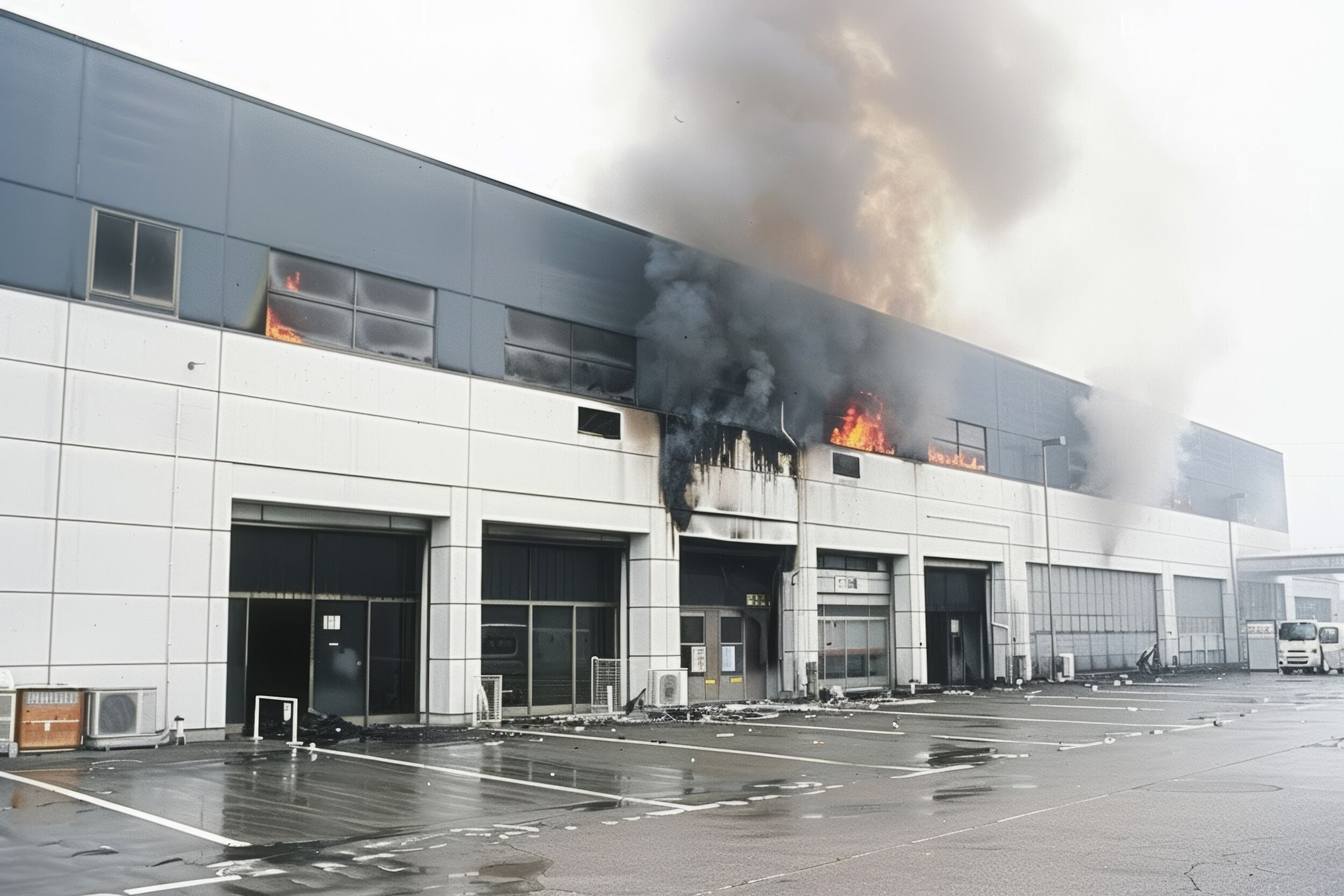
Addressing Indoor Air Quality During Fire Restoration

Digital Solutions, Water Damage Restoration, Fire Damage Restoration

After a fire, attention usually turns to visible damage. Smoke, airborne particles, and gases, however, can move beyond the areas directly affected by flames and influence indoor conditions throughout a building. For residential, commercial, and multi-unit properties, understanding what may be present in the air, how smoke has travelled, and how conditions change during restoration can be an important part of the recovery process.

Read more

Carbon Monoxide and Temporary Heaters: Staying Safe as Buildings Close In

Temporary Climate Solutions, Digital Solutions

As cold weather approaches and projects begin to close in, temporary heat becomes essential for keeping schedules on track and protecting materials. At the same time, enclosed spaces increase the risk of carbon monoxide (CO) exposure when fuel-burning heaters are used indoors. Understanding how CO is generated and how to monitor conditions is critical for maintaining safe environments during winter operations.

Read more

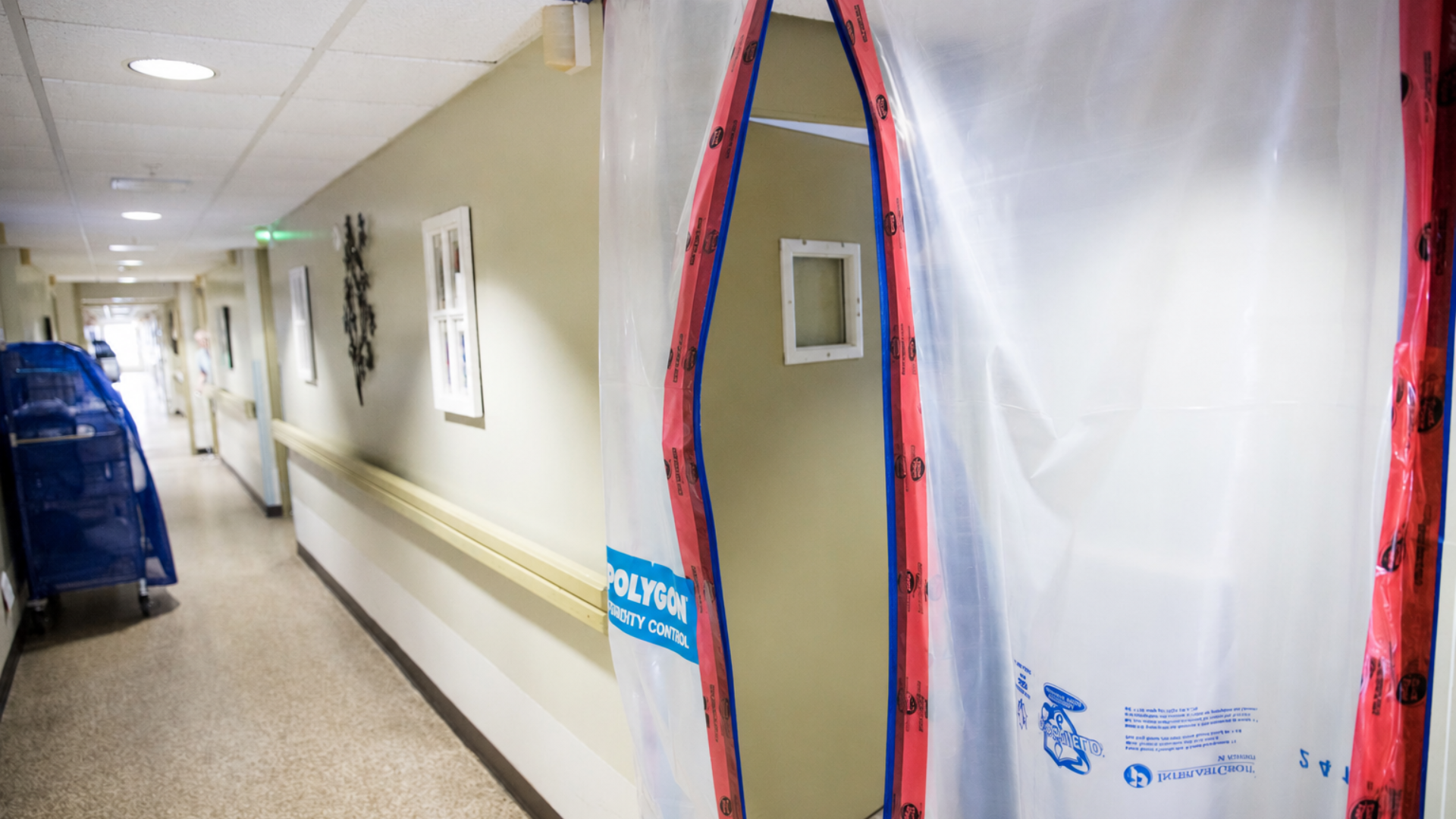
Structural Drying in Occupied Buildings: Why Moisture Control Isn't Enough

Digital Solutions, Water Damage Restoration, Fire Damage Restoration

When a building experiences water damage, the immediate priority is often to remove moisture as quickly as possible. Rapid structural drying helps prevent material deterioration, minimize business interruption, and reduce the risk of mold growth. In occupied buildings such as hospitals, long-term care homes, schools, laboratories, museums, archives, and commercial facilities, however, successful structural drying involves much more than removing water. It also requires careful planning, contaminant control, and protecting the people who continue to use the building throughout the restoration process.

Read more

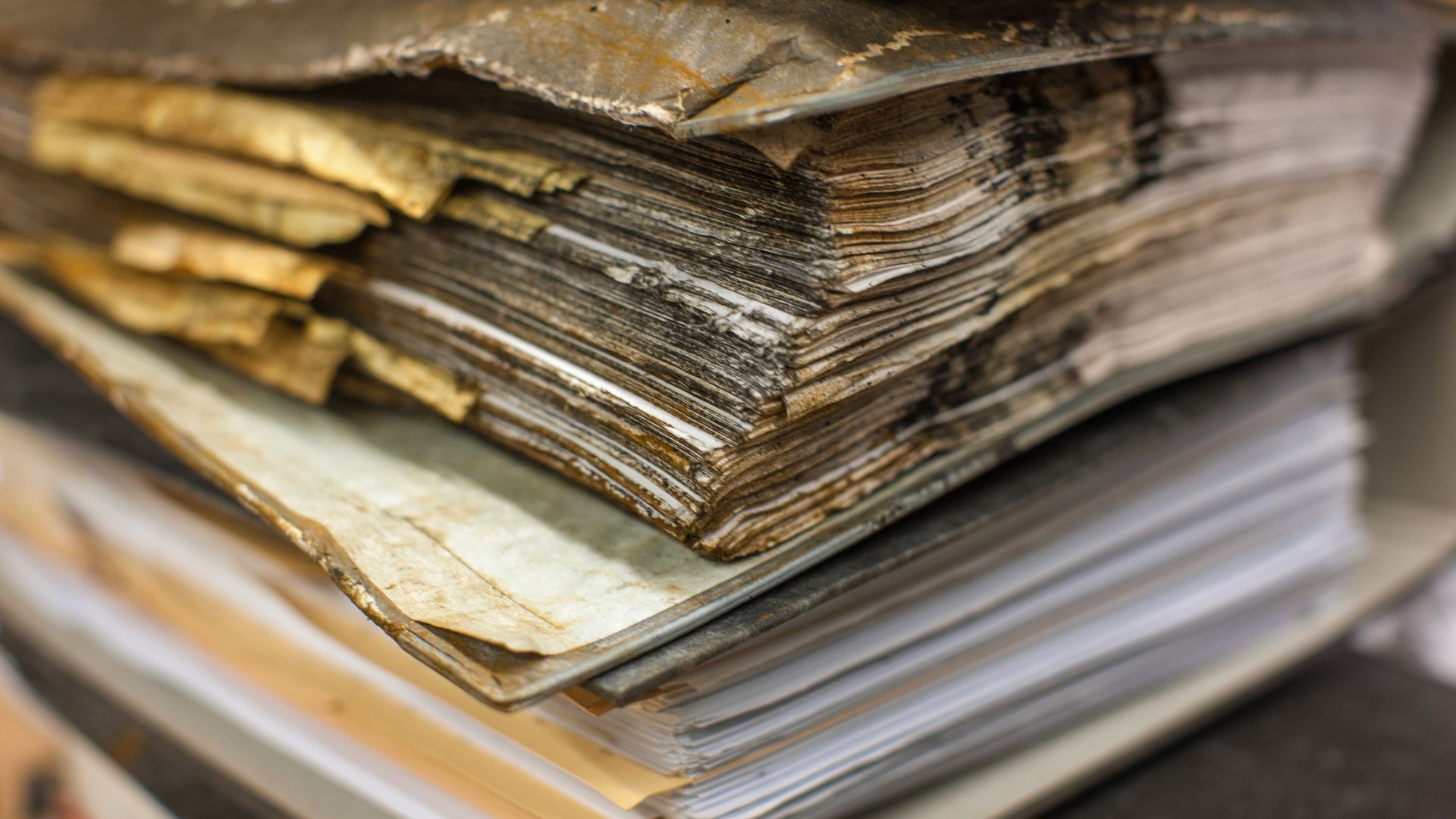
Safeguarding Heritage: Preventing the Top 10 Agents of Deterioration

Water Damage Restoration, Fire Damage Restoration, Document Restoration

Arguably, the cornerstone of safeguarding archives and collections lies in prevention, which makes understanding potential threats crucial. This is why The Canadian Museum of Nature and the Canadian Conservation Institute have compiled a list of the top 10 agents of deterioration, identifying the primary hazards to historical objects. This compilation aims to assist in preventing and protecting valuable collections, whether housed in museums or homes.

Read more