Articles and Blog

Tips for Protecting Your Electronic Documents

Disaster Preparedness, Document Recovery, Document Scanning

As you reorganize your office’s filing system, the security of its electronic documents is just as important as the security of its hard copies. While electronic documents may be safer and simpler to find than those kept file cabinets or employee desks, their security is only as good as the weakest protocol in your company’s document management policies and procedures. Secure document scanning is good step toward protecting data. By implementing additional security controls, your electronic documents will be less vulnerable to user errors and malicious acts.

Read

3 Moments When You Need a Commercial Dehumidifier Rental

Catastrophe Response, Disaster Preparedness, Disaster Recovery, Temporary Climate Solutions, Water and Storm Damage

When left alone, excess moisture has the potential to lead to project delays, health hazards and structural damage to a building. The simple answer to eliminating excess moisture is a commercial dehumidifier rental. Purchasing commercial-grade dehumidification equipment, however, is a large investment that may not make economical sense. A more attractive option that many businesses choose is a dehumidifier rental because a rental may offer more benefits than an outright purchase.

Read

How Commercial Dehumidifiers Help with Flood Damage

Disaster Preparedness, Disaster Recovery, Temporary Climate Solutions, Water and Storm Damage

After experiencing water damage, it is crucial to dry out the affected areas within 48 hours, as this is how long it takes mold to begin growing. The longer your contents remain wet, the more likely it is to deteriorate from mold and bacterial damage. Since it’s not always practical or economical to own dehumidification equipment, a dehumidifier rental for flood damage is one of the best tools for emergency drying services.

Read

How Remote Monitoring Services Assist Disaster Recovery Teams

Catastrophe Response, Disaster Preparedness, Disaster Recovery, Water and Storm Damage, Remote Monitoring and Control

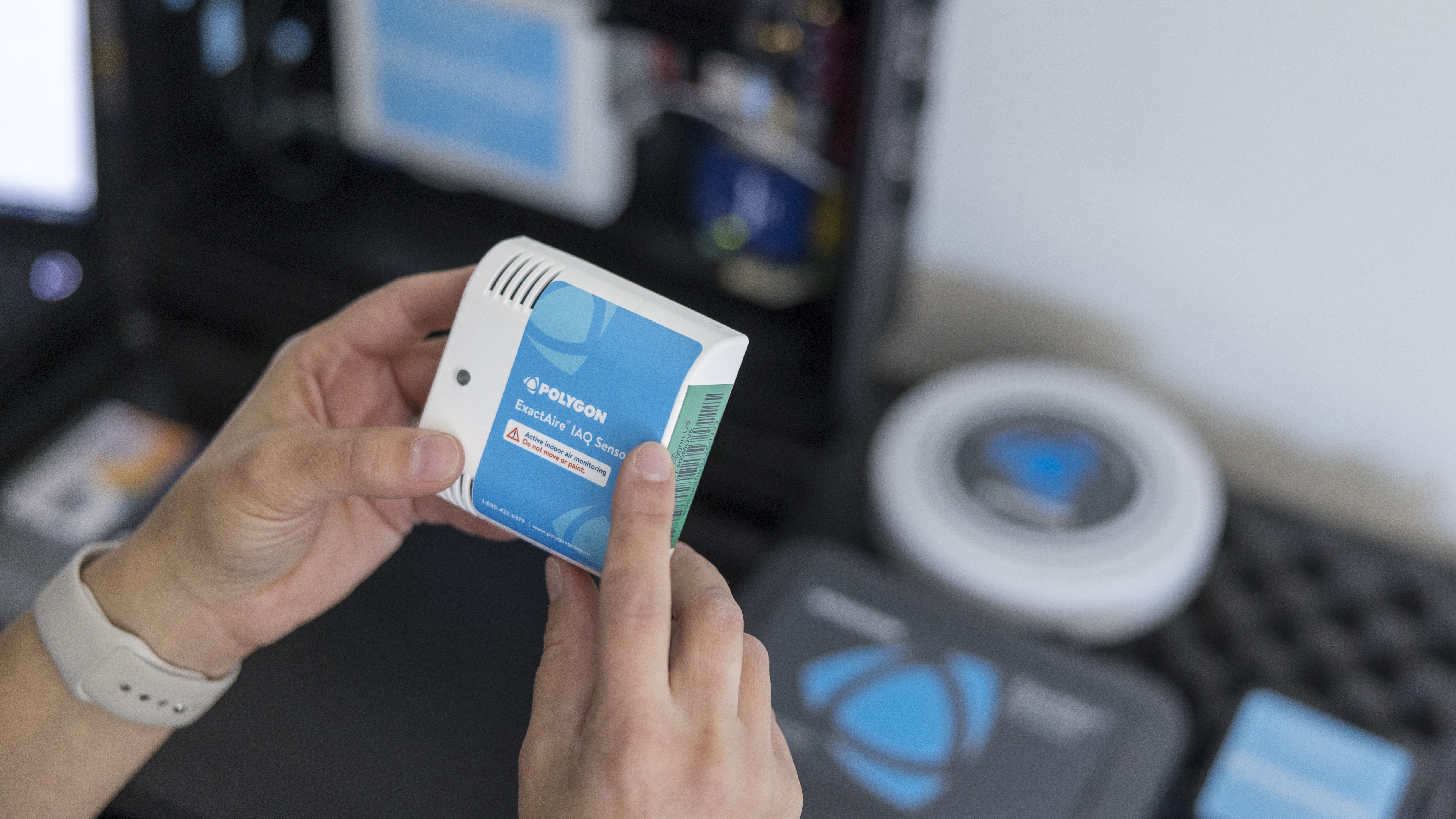
After a client experiences flooding or a water-related incident, the space or items undergoing recovery procedures may need specific environmental conditions. A collection of valuable linens that experienced water damage, for example, may need low relative humidity levels and temperatures to prevent mold growth. Environmental control equipment with remote monitoring allows disaster recovery specialists to see the real-time conditions in a space, as well as check on the state of the climate control equipment throughout the duration of the project.

Read

How Evaporator Coils Assist Disaster Recovery Teams

Catastrophe Response, Disaster Preparedness, Disaster Recovery, Water and Storm Damage

A large part of disaster recovery efforts involves temperature control. This is particularly true when it comes to controlling mold growth, creating the ideal environment, and promoting worker health and comfort. Disaster recovery equipment often contains evaporator coils that dry and condition the air by drawing out moisture and heat.

Read