Articles and Blog

Questions to Establish a Food Industry Condensation Prevention Plan

Disaster Preparedness, Mold Damage, Temporary Climate Solutions, Food and Pharma

Excess moisture in a food processing and packaging facilities can cause extensive problems for the consumable products, the building, and worker health and productivity. With condensation control solutions and technologies, a facility can remain compliant with U.S. Department of Agriculture (USDA) standards, save money and prevent the need for mold remediation. By establishing a condensation and moisture control plan, you can mitigate moisture-related problems and ensure the safety of the overall operation.

Read

Keeping Food Safe from Farm to Fork [Infographic]

Disaster Preparedness, Temporary Climate Solutions, Food and Pharma

From livestock housing to food processing, storage and transportation, regulating humidity is critical to health and safety. Farmers rely on the proper conditions to keep their animals comfortable, safe, and productive.

Read

What All Museums Need to Include in a Disaster Preparation Plan

Disaster Preparedness

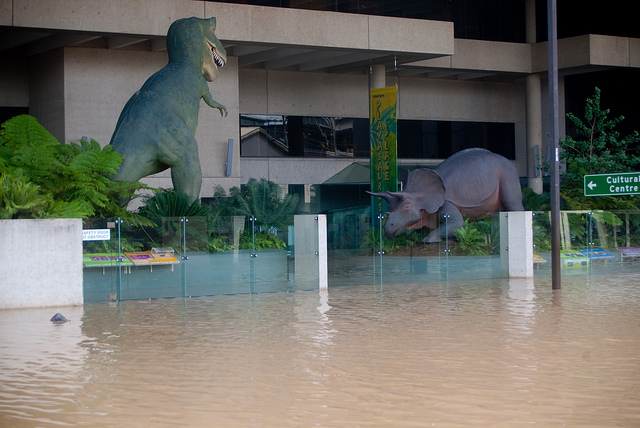
While you often can’t prevent disasters from occurring, there are steps that you can take to limit their damage. For museums, disaster preparation is essential to keeping collections safe and preventing the loss of priceless history forever. A comprehensive disaster preparedness plan will complement your disaster response efforts so document recovery can commence quickly.

Read

Protecting Municipal Water Tanks with Surface Coating

Disaster Preparedness, Paintings and Coatings

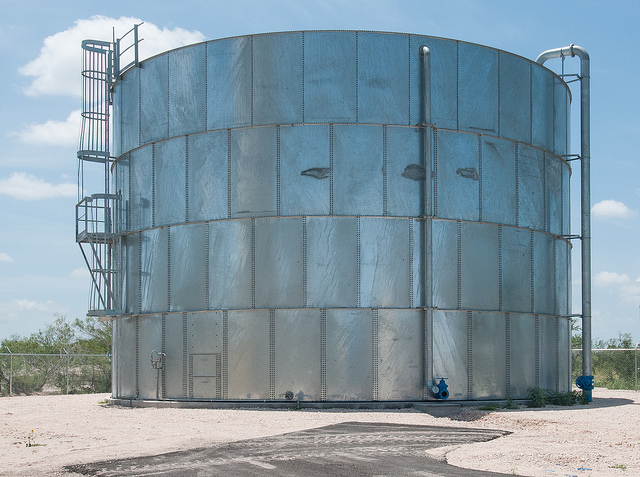
While water is essential to life, it’s one of the most destructive elements on the planet. Without the use of a water tank surface coating, the substrate in a municipal tank is vulnerable to factors such as corrosion, deterioration and nitrification. The destructive problems compromise the safety of the water within a tank and reduce the tank’s service life. Maintenance that includes the proper application of surface coatings mitigates these risks and increases a tank’s durability.

Read

3 Reasons a Building Needs Humidity Control when Fireproofing

Construction Drying, Disaster Preparedness

When applying a fireproof coating to structures, it is vital for the material to dry within a specific amount of time. While some fireproofing sprays contain chemical accelerators to speed hardening, they still produce a significant amount of moisture during the application process. Incidentally, the fire-resistant material may be more difficult to dry than drywall or cement. Without the right ambient conditions or construction drying services, a contractor may face delays and unintentionally create safety risks.

Read