Articles and Blog

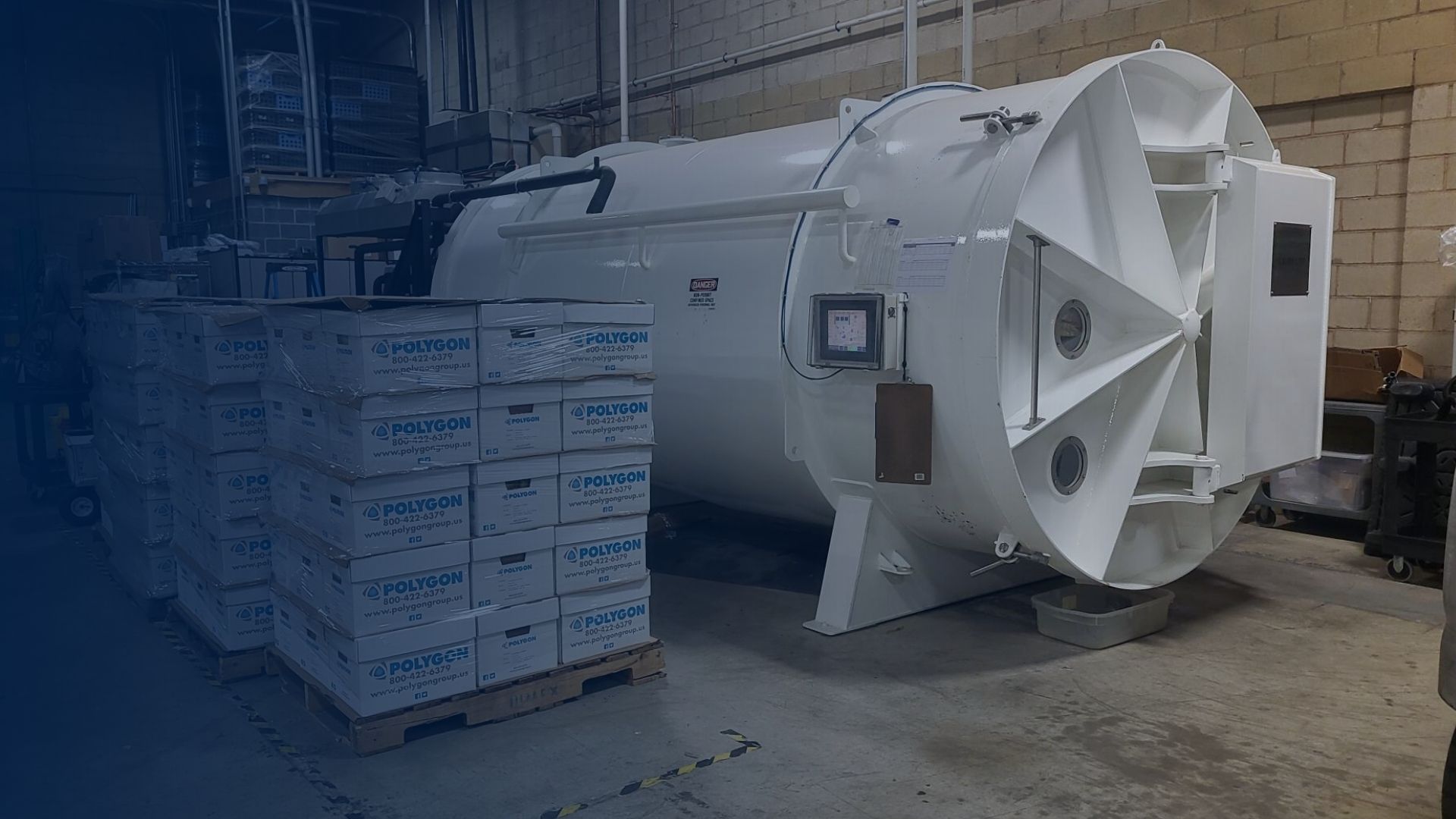
Clean Energy Reduces Footprint of Documents Freeze-Dry Chamber

Document Recovery, News

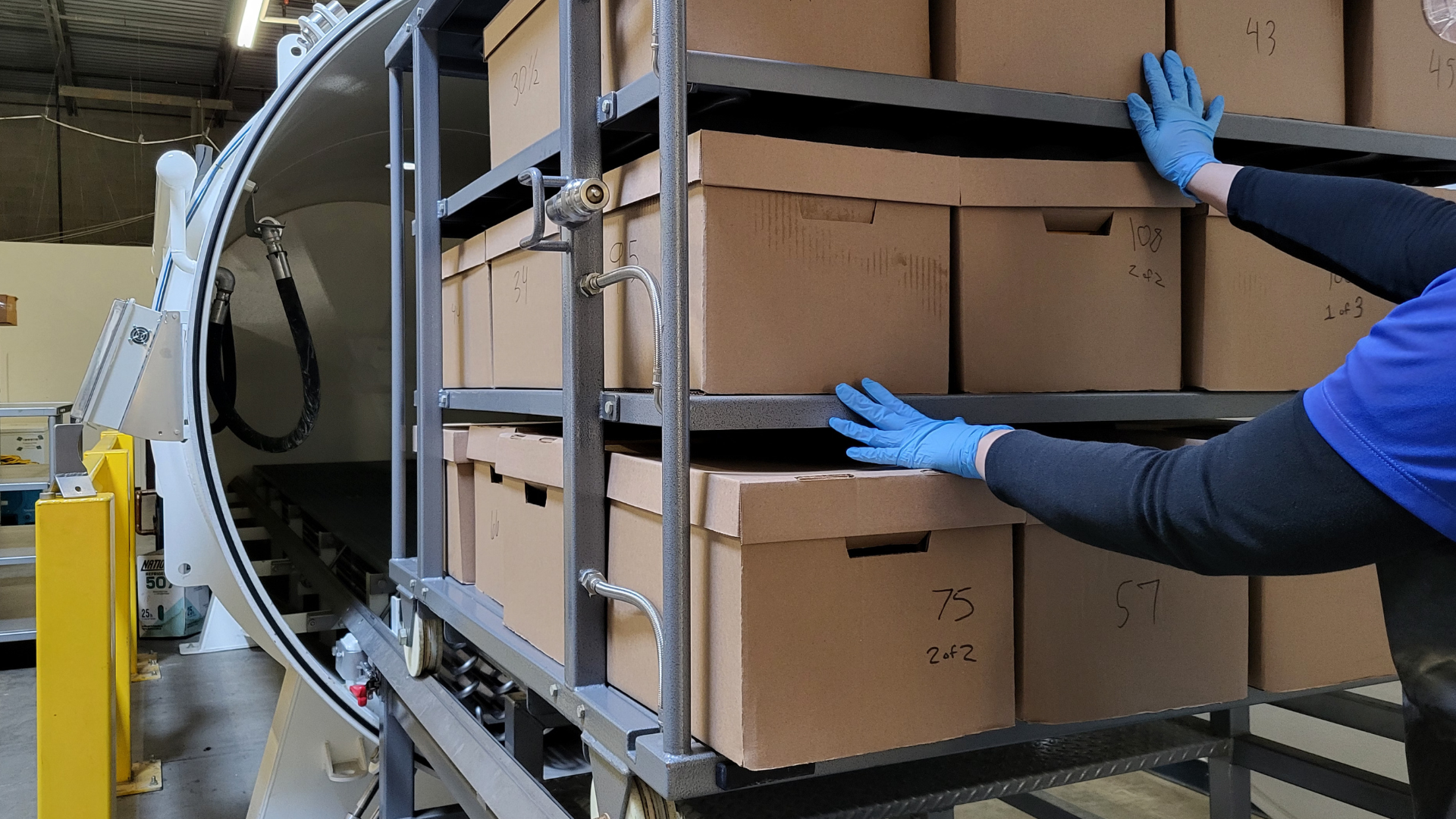
Polygon’s National Documents Center in Allentown, Pennsylvania is home to one of the most important tools in our document recovery process, the freeze-dry chamber. For 15 years, this machine has been running nonstop, turning frozen water directly into vapor and logging over 100,000 hours of operation. While the chamber is vital in restoring water-damaged documents, it also comes with an environmental tradeoff. In 2023, the Documents Center used nearly 266,000 kWh of electricity, with the chamber driving much of that demand.

Read

Document Recovery Methods: vacuum freeze-drying vs desiccant drying

Document Recovery, Water and Storm Damage

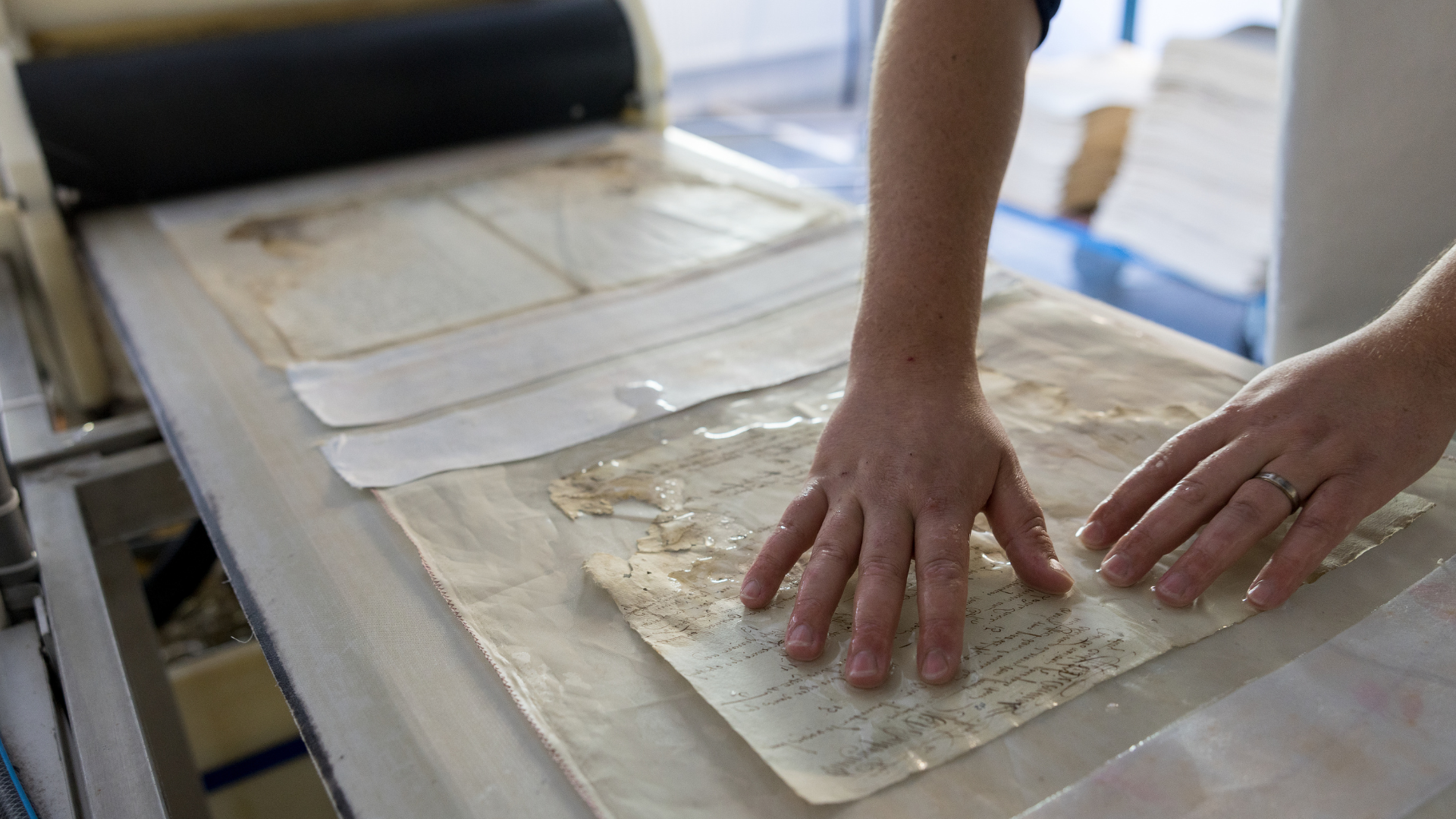
When water damage threatens critical documents, choosing the right drying method is essential to prevent deterioration. This article explores both methods, outlining their benefits, considerations, and best-use scenarios.

Read

6 Myths About Document Recovery

Document Recovery, Water and Storm Damage

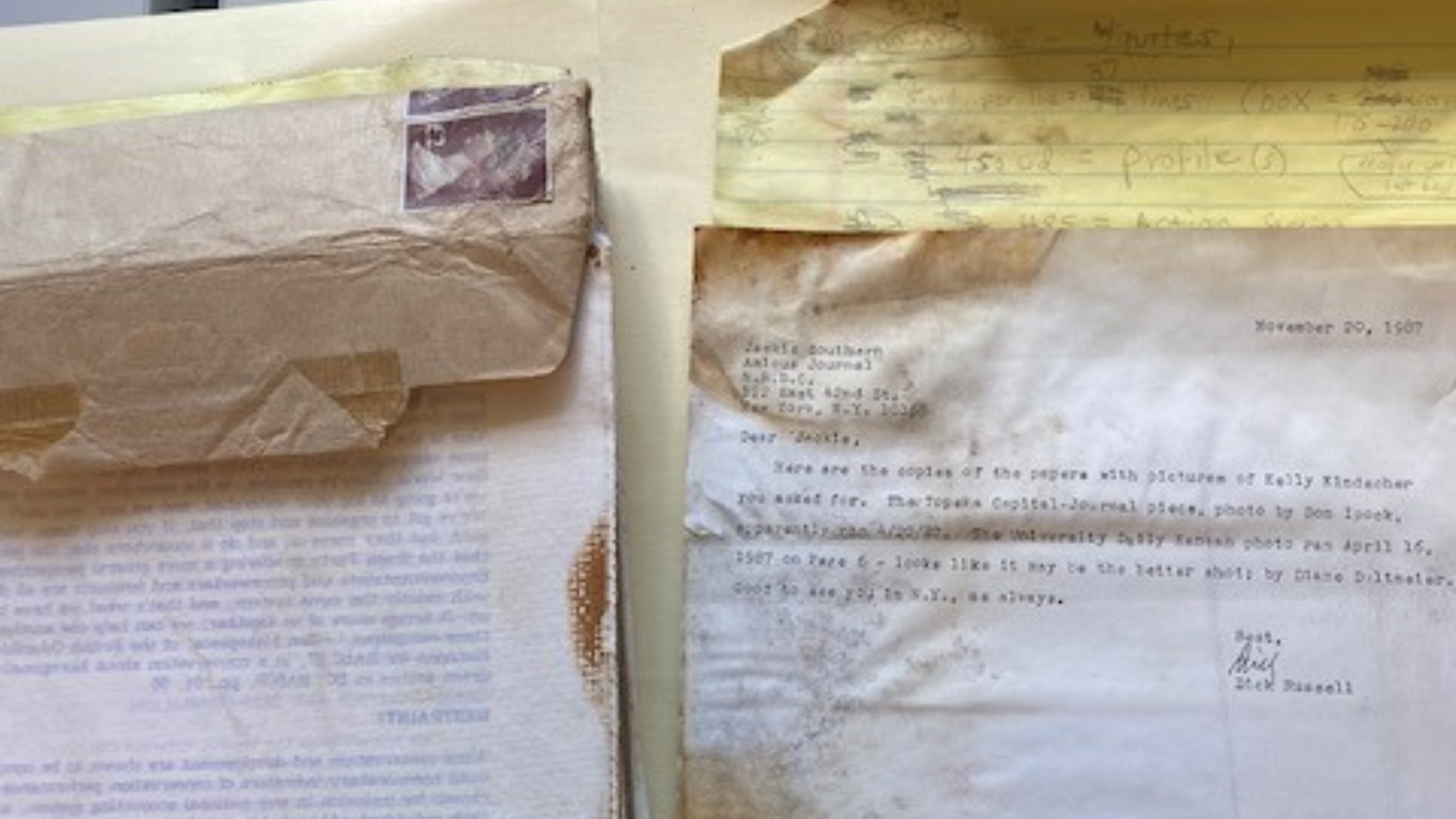
When disaster strikes—whether through water damage, fire, or time itself—recovering documents and archives becomes a priority. However, misconceptions about document recovery can lead to costly mistakes, leading to further deterioration. From freezing techniques to spot treatments, many so-called "fixes" do more harm than good.

Read

The Silverfish Menace: Protecting Books and Paper Documents

Document Recovery, Document Scanning

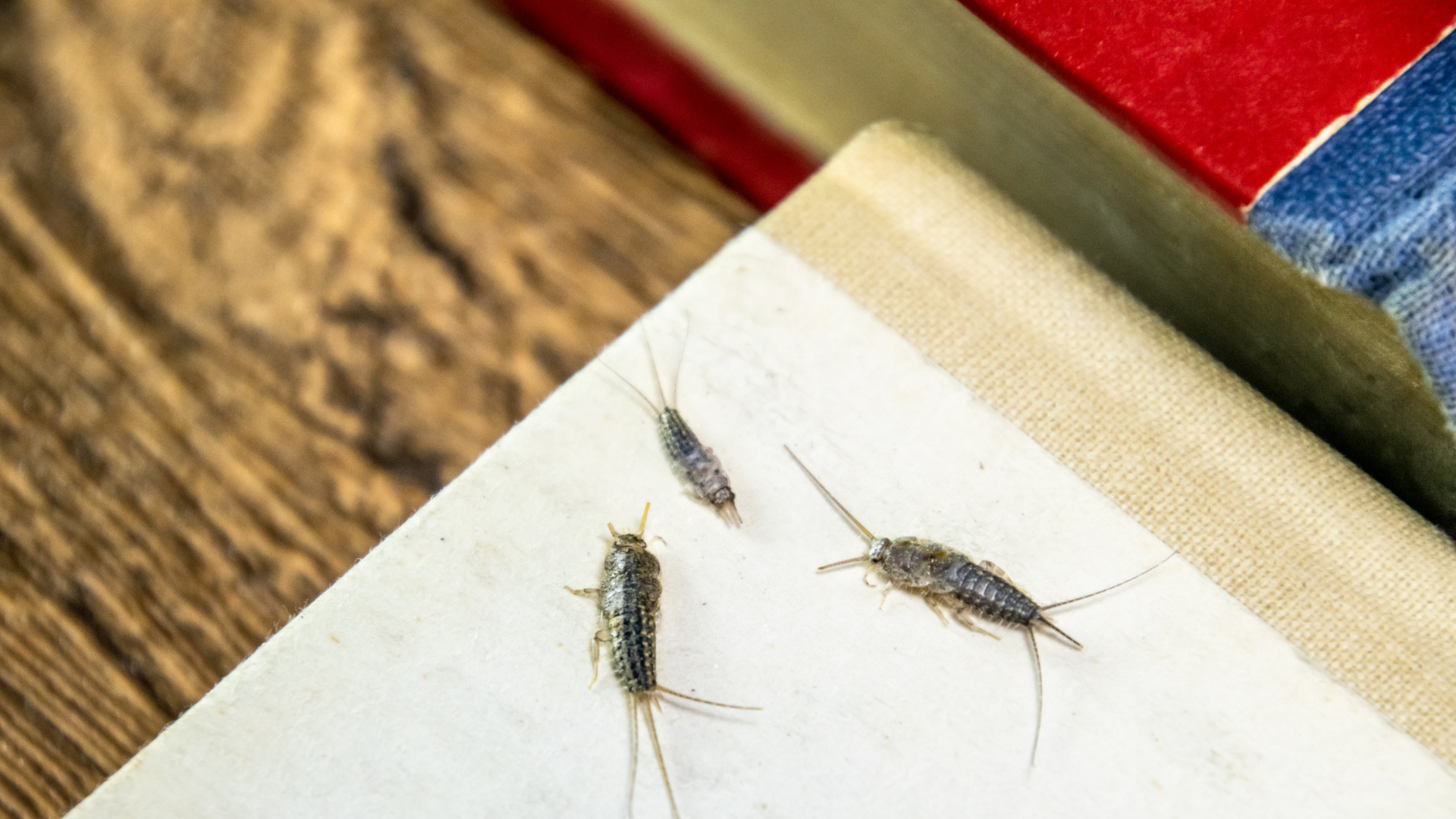
Silverfish, small wingless insects, pose a significant threat to archived documents. These pests thrive in dark, damp environments and have a particular appetite for starchy materials, making paper, book bindings, and even photographs prime targets. As they feed, silverfish leave behind tiny holes, yellow stains, and shed scales, which can damage valuable historical records.

Read

When Freezing Documents Makes Sense

Disaster Recovery, Document Recovery, Water and Storm Damage

Document freeze-drying is a technique that professionals use to dry and restore books and documents that receive water damage. The process involves using a special chamber that has a high-pressure vacuum. When the chamber reaches the optimal temperature and pressure settings, the moisture in the documents sublimates. The sublimation process turns liquid water into a gaseous state. Freeze-drying eliminates moisture, prevents or halts mold growth, and avoids complications such as sticking, staining, warping, curling and over-drying. While freeze-drying is an effective solution, it is not the answer for all wet documents.

Read