Articles and Blog

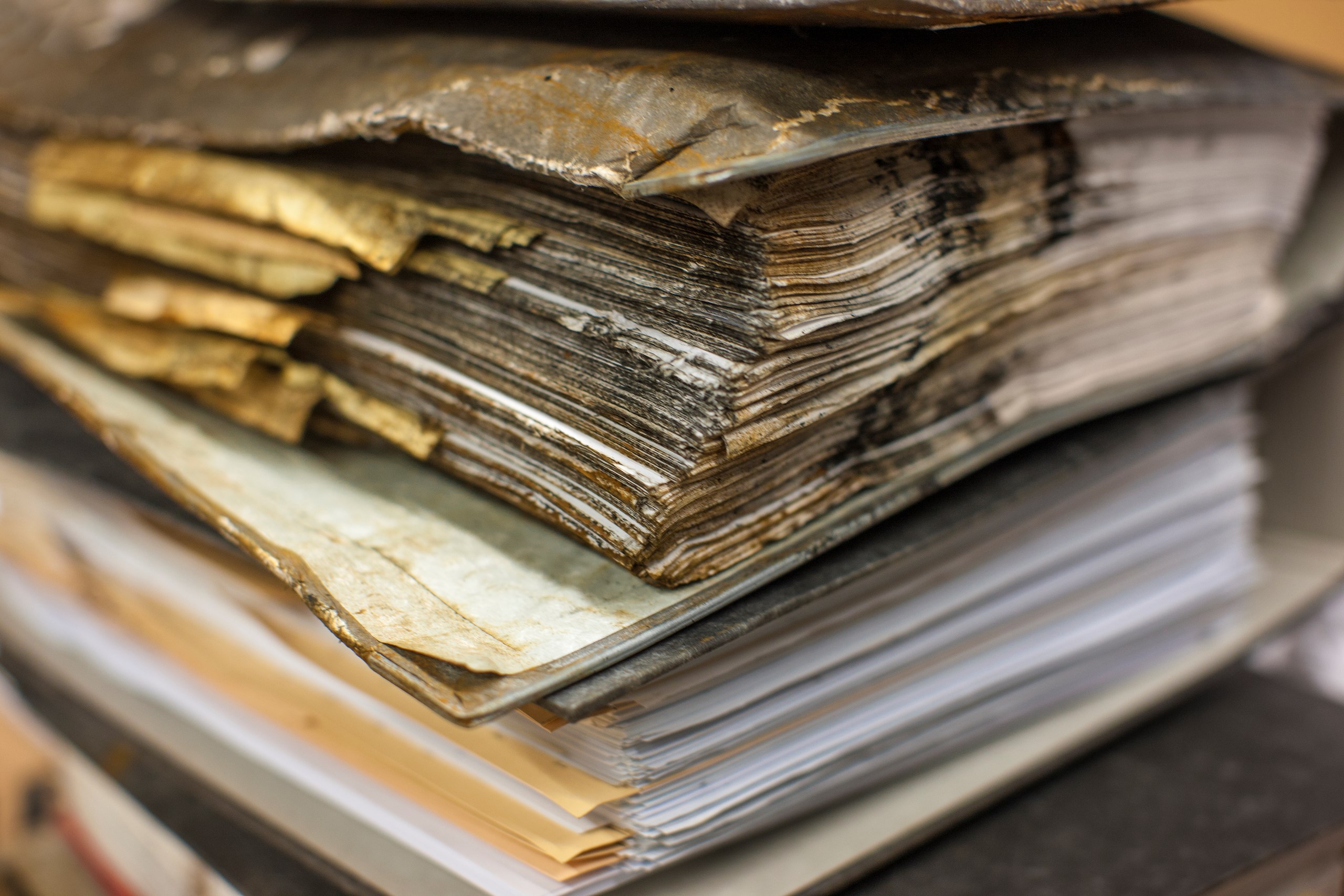
How Fast Will Your Documents Degrade?

Catastrophe Response, Disaster Recovery, Document Recovery, Mold Damage

When your documents get wet, time is not on your side. It’s vital to employ document drying techniques and, depending on the extent of the damage, hire a professional document recovery service. While some professionals say that you have up to 48 hours to take action, damage begins much sooner. Factors that contribute to document damage include mold, air quality around the documents, and degradation of the storage area.

Read

How HEPA vacuums help restore documents

Document Recovery, Fire and Smoke Damage, Mold Damage, Water and Storm Damage

In everyday life, the public uses high-efficiency particulate arresting (HEPA) vacuums for their homes to reduce the number of allergens and irritants in the environment and improve the quality of air. In the document restoration world, professionals use them to clean documents damaged by water, mold, smoke, pollutants and other debris. At Polygon, the use of this advanced technology not only safely cleans damaged documents, it also helps remove some odors and prevents further damage.

Read

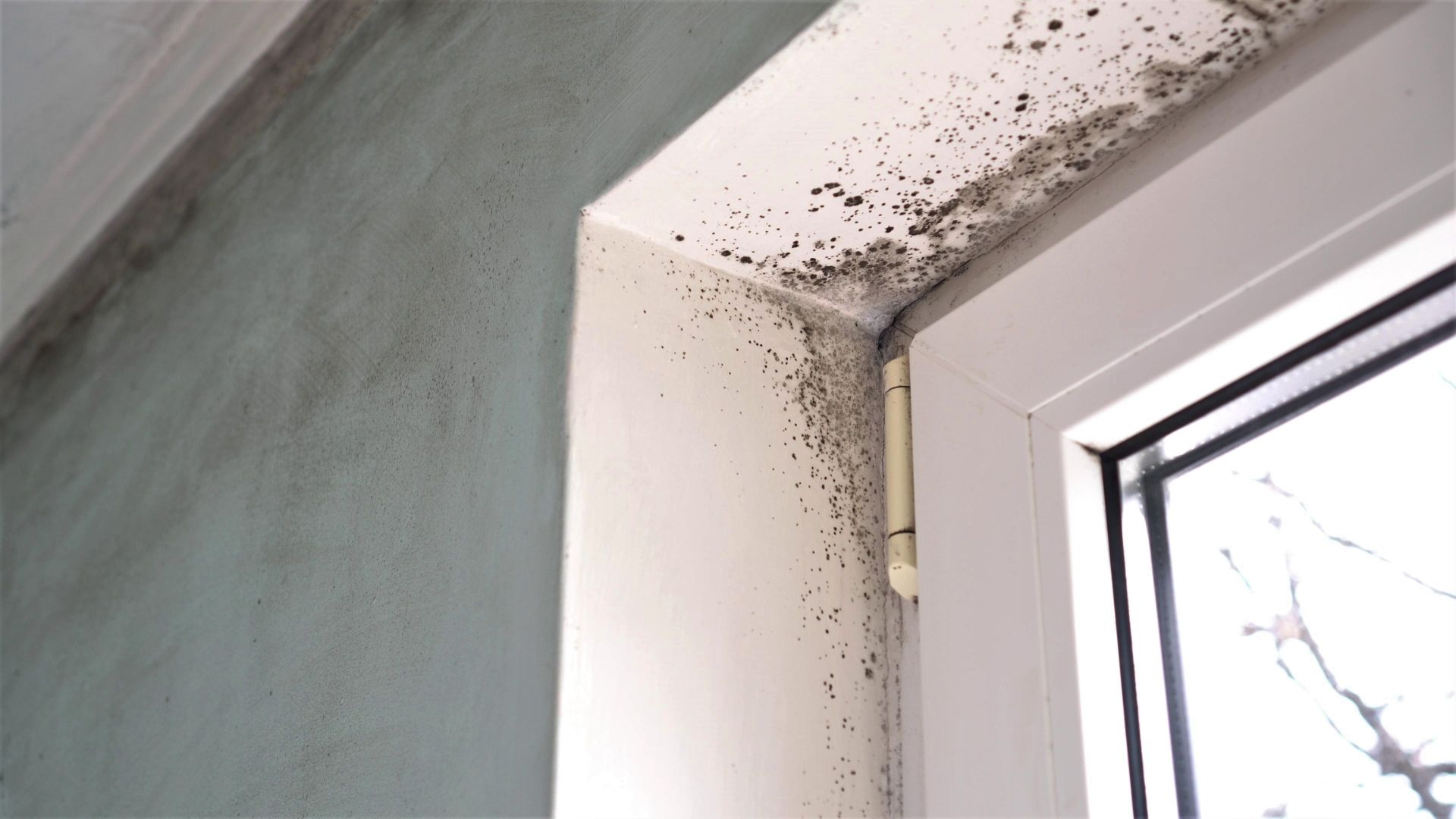
Prevent Mold Illness in Schools with Summer Lay-Ups

Mold Damage, Temporary Climate Solutions, Remote Monitoring and Control, Indoor Air Quality

School districts across the country are often under financial pressure, and powering down unoccupied buildings during summer break is a logical way to save on energy costs. However, if important moisture control strategies aren’t implemented, powering down can end up costing the school much more – in dollars and, more importantly, in student health.

Read

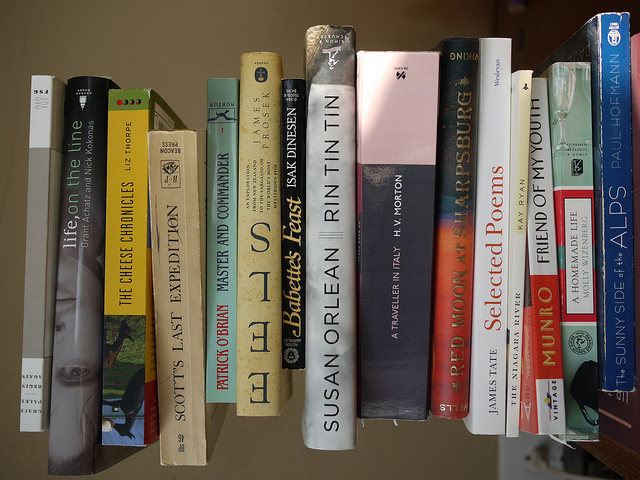
How to Get the Smell of Mold and Mildew out of Documents

Mold Damage

It isn’t normal for documents and books, regardless of their age, to have a musty smell. Paper items develop this smell when mildew grows in and between the pages. This generally occurs when documents or books are kept in areas with high levels of relative humidity. By using simple mold remediation for documents, you can eliminate the unpleasant smell and preserve the documents for years to come.

Read

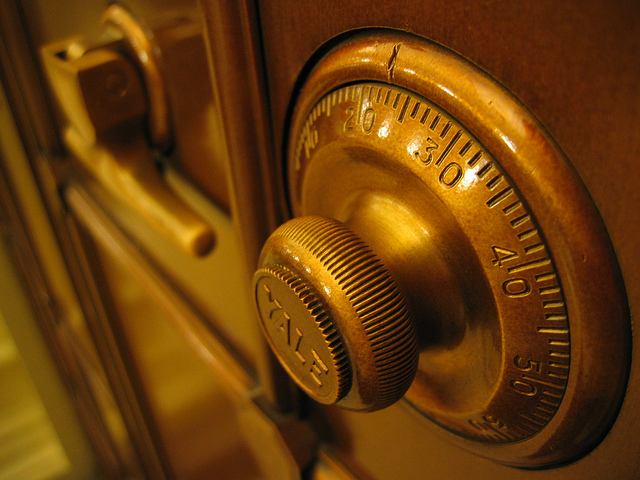
Preventing Mold in Your Safe

Mold Damage, Temporary Climate Solutions

The purpose of owning a safe is to keep valuable items protected from losses, such as thefts, fading, fires and water damage. The next step to keeping your items secure is to protect them from incidents that may occur from within the safe, such as mold and mildew damage. When exposed to mold, coins, jewelry, firearms, passports, deeds, birth certificates and other items lose their value or effectiveness. By preventing moisture in a safe, you’ll keep your belongings in good condition and retain their worth.

Read