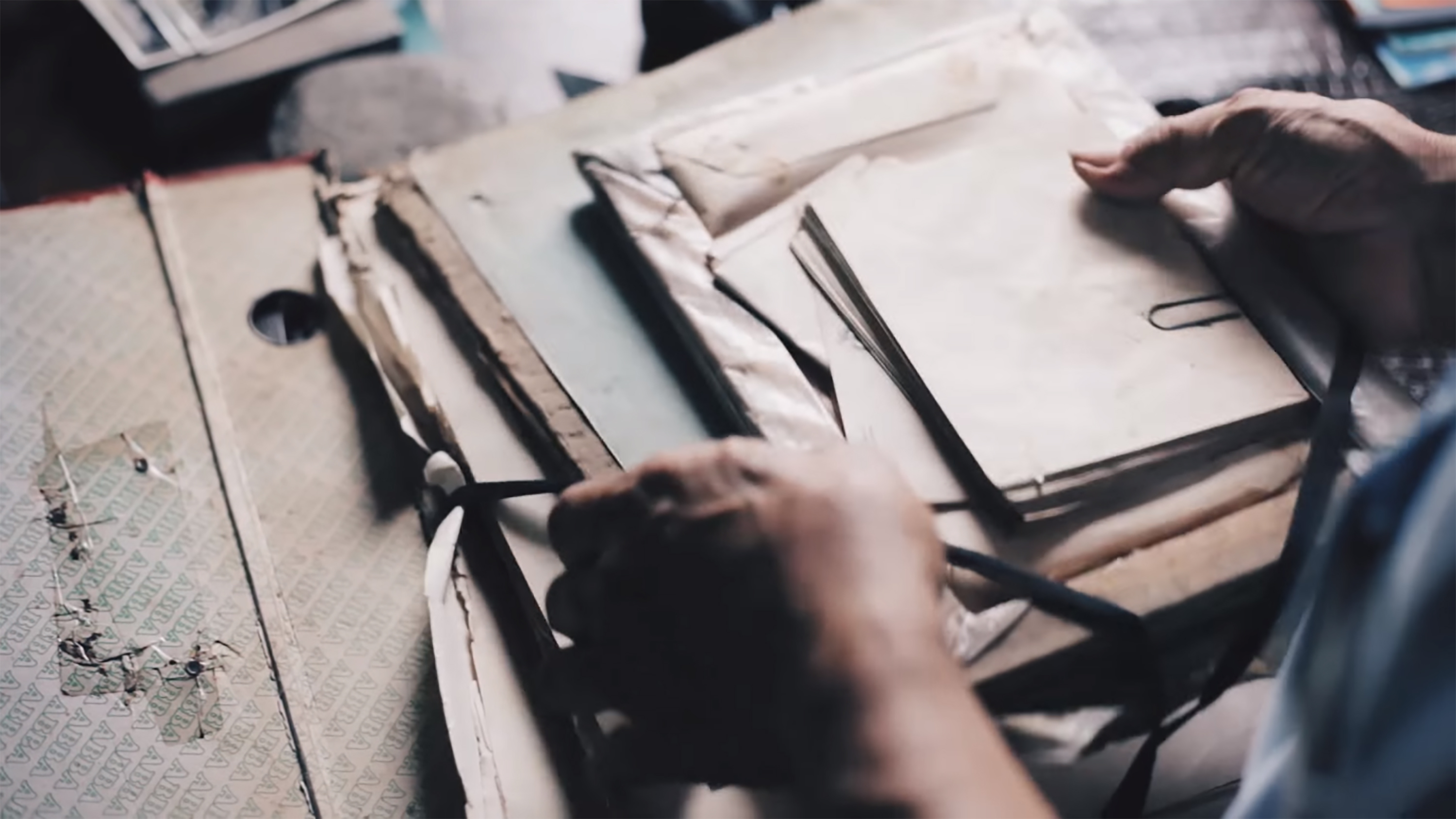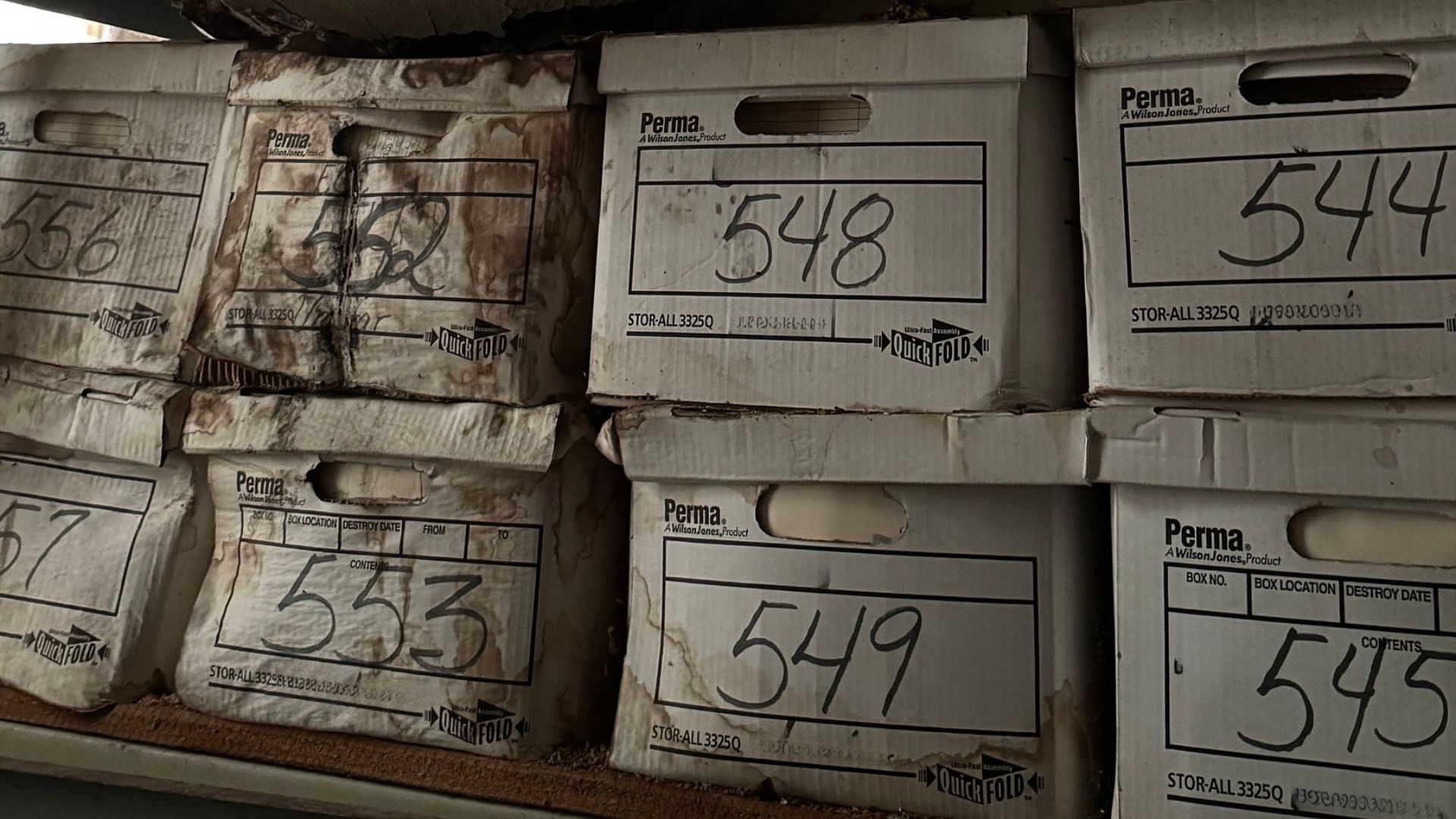
When a flood, fire, or mold event damages an organization's records, the immediate priority is often cleanup and recovery. But alongside the physical restoration process, another important consideration deserves attention: information governance.

Notice
You are now leaving Polygon Restoration's website and will be directed to another country in the group.
Do you want to proceed?
When a flood, fire, or mold event damages an organization's records, the immediate priority is often cleanup and recovery. But alongside the physical restoration process, another important consideration deserves attention: information governance.
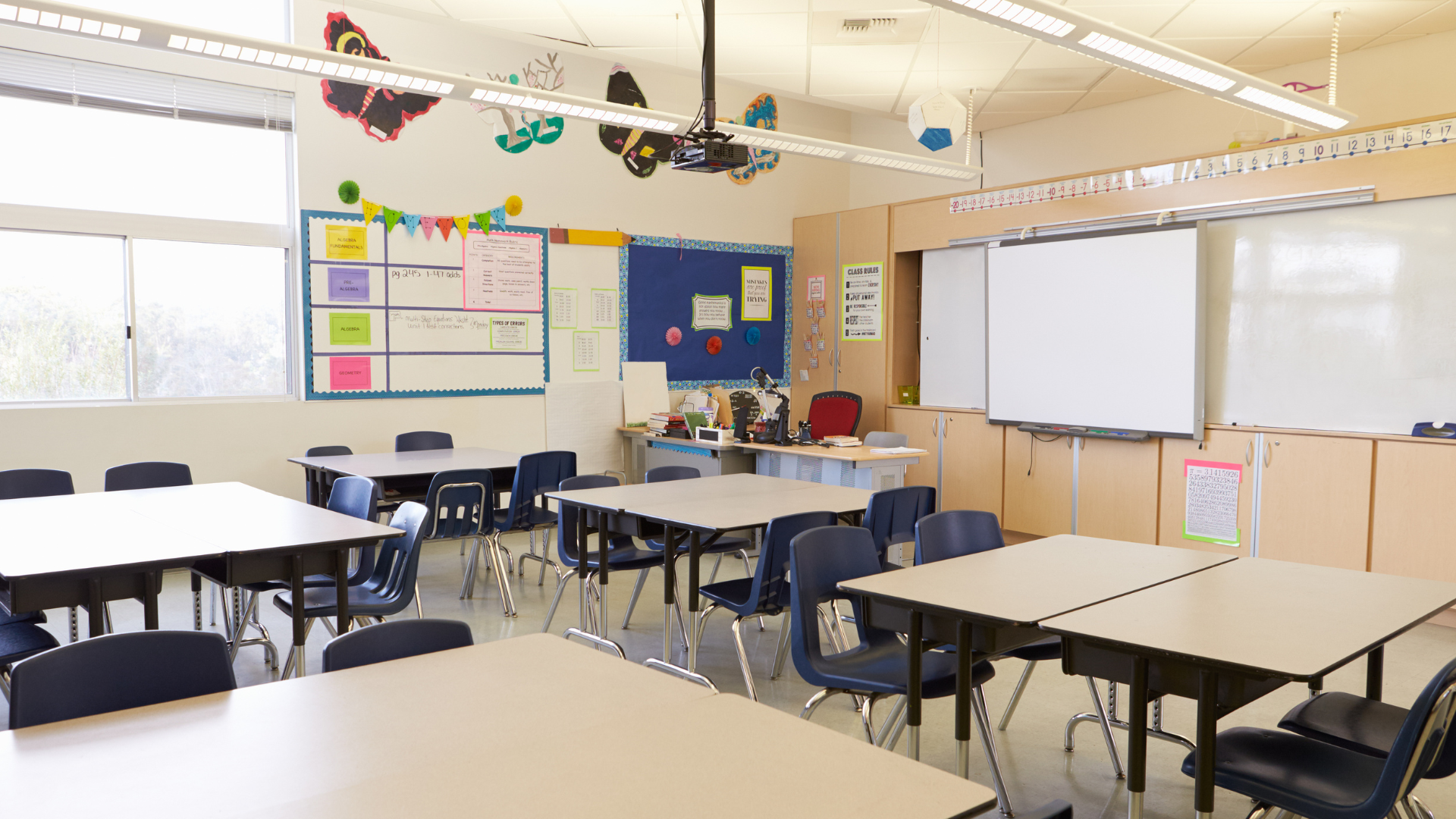
As educators return to school after summer break, they may discover more than empty classrooms and forgotten supplies. A musty smell, warped books, stuck-together pages, and visible mold are signs that items were exposed to moisture. Schools should reconsider simply throwing away materials. Here’s what you can do.
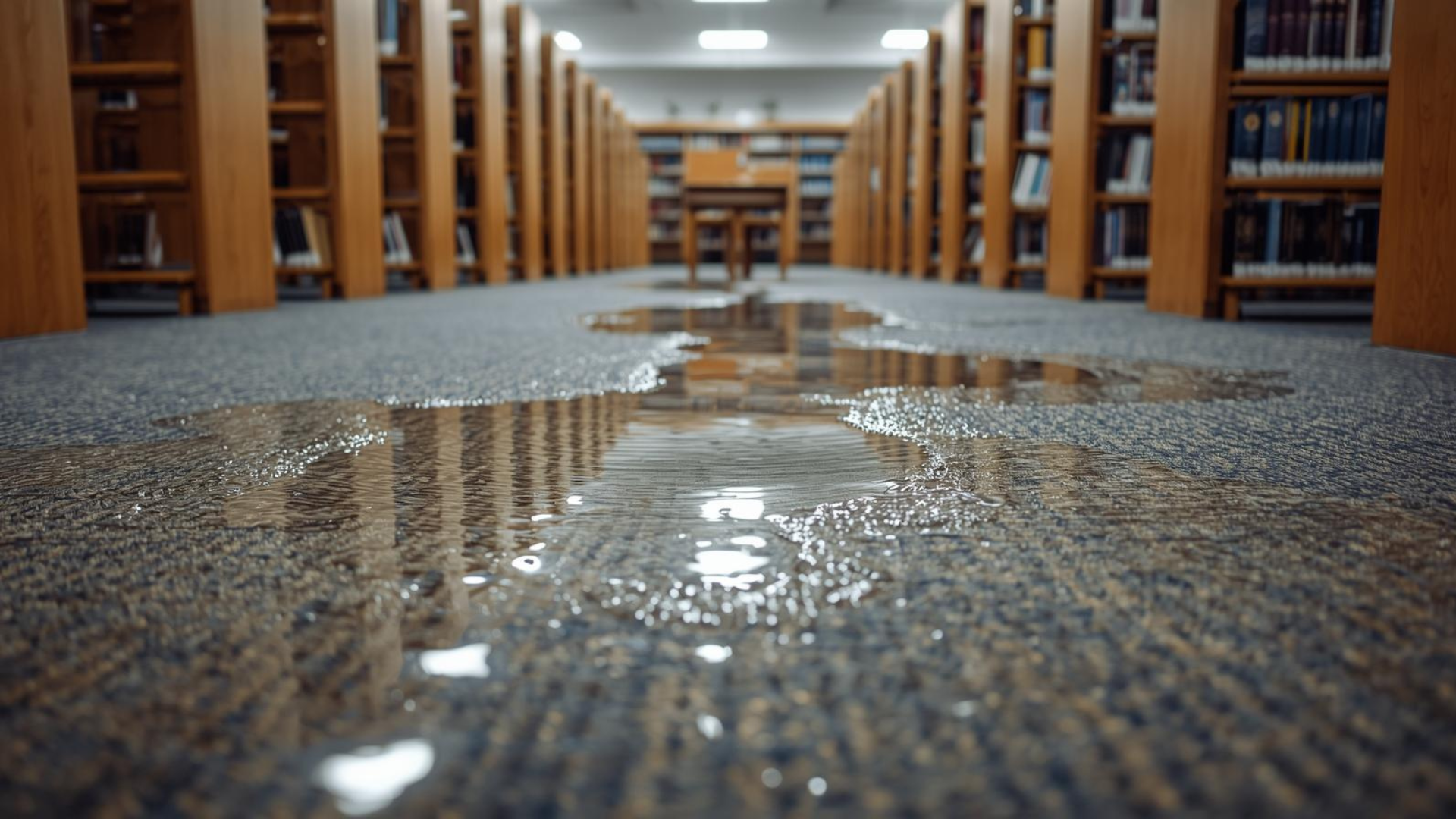
When temperatures drop, archives, libraries, and records storage facilities face hidden risks that extend beyond cold air and low humidity. Frozen pipes and sudden bursts can release hundreds of gallons of water in minutes, threatening the safety of irreplaceable files, books, and archival materials. For organizations responsible for preserving cultural heritage and critical records, a proactive approach to water management can mean the difference between minimal disruption and a devastating loss.
Safeguarding your documents, collection, and archives requires planning and partnerships beyond simply having a number to call after a disaster. Businesses and organizations are taking a multi-pronged approach to ensure they minimize potential damage and protect the materials they depend on and care about. Consider these 4 strategies to strengthen your program.
The best-laid (collections emergency) plans aren’t complete without a list of people and organizations that can be called on to help in the event of a disaster, especially as the potential for natural disasters increase with climate change. The Conservation Center is one of those resources, but what about other emergency planning and recovery vendors? If your organization is in need of services like large-scale dehumidification, vacuum freeze drying, or serious mold remediation, do you know who you would call? What you should expect?
Emergency Support
1-800-422-6379Send an email
us_info@polygongroup.com24/7 Hotline
Urgent equipment and operational support
Property damage
Documents and contents damage
24/7 Emergency:
United States: 1-800-422-6379
Canada: 1-888-702-4782
Your questions and comments are important to us. Please send us your information with a description of your needs and we will connect with you promptly.
Polygon US Headquarters
15 Sharpners Pond Road, Building F North Andover, MA 01845
Phone: 1-800-422-6379
See all our US locations here: Polygon US office locations
For global support, please contact one of our offices listed here: Our Global offices - Polygon Group