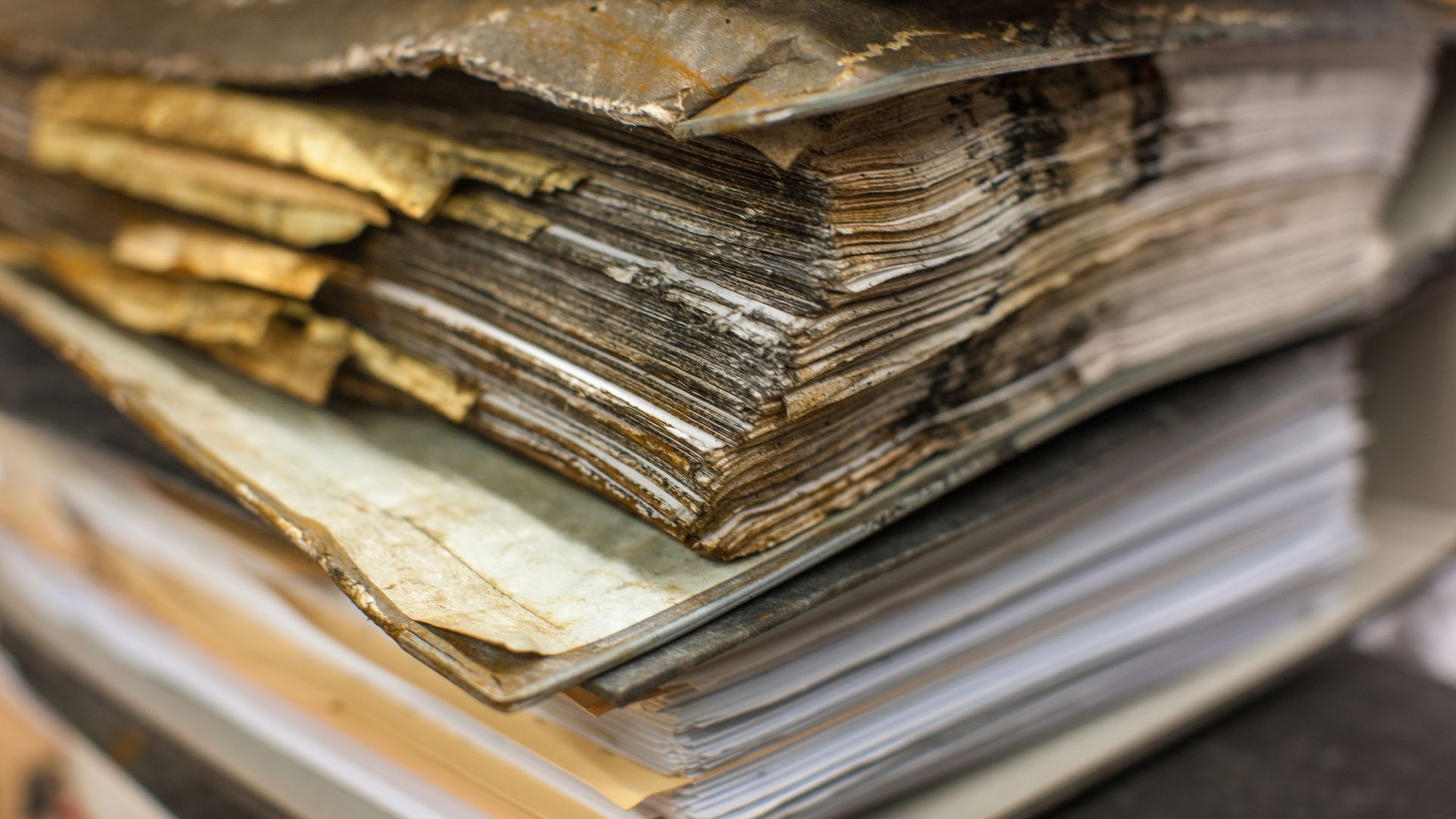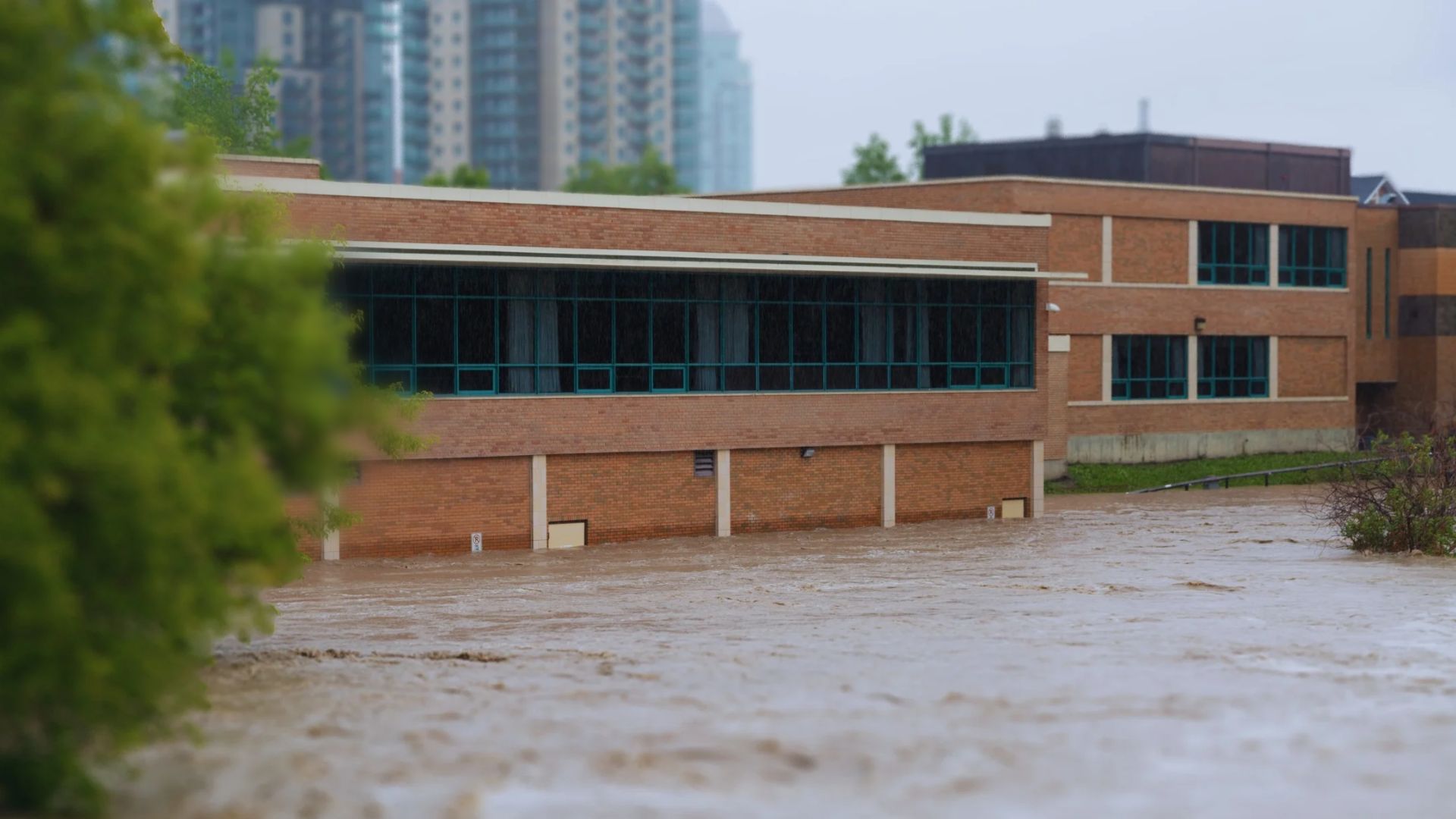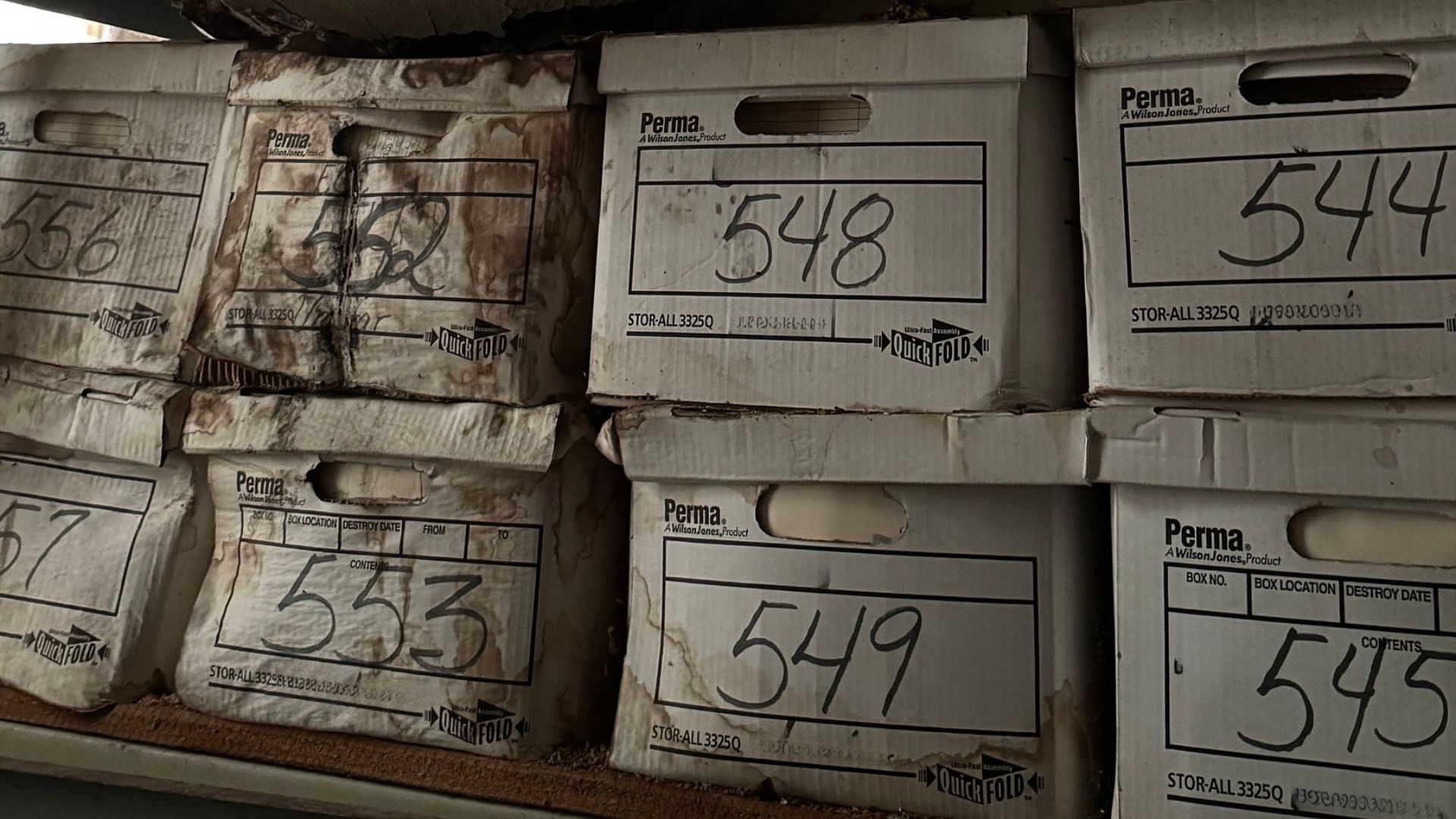
When a flood, fire, or mold event damages an organization's records, the immediate priority is often cleanup and recovery. But alongside the physical restoration process, another important consideration deserves attention: information governance.

Notice
You are now leaving Polygon Restoration's website and will be directed to another country in the group.
Do you want to proceed?
When a flood, fire, or mold event damages an organization's records, the immediate priority is often cleanup and recovery. But alongside the physical restoration process, another important consideration deserves attention: information governance.
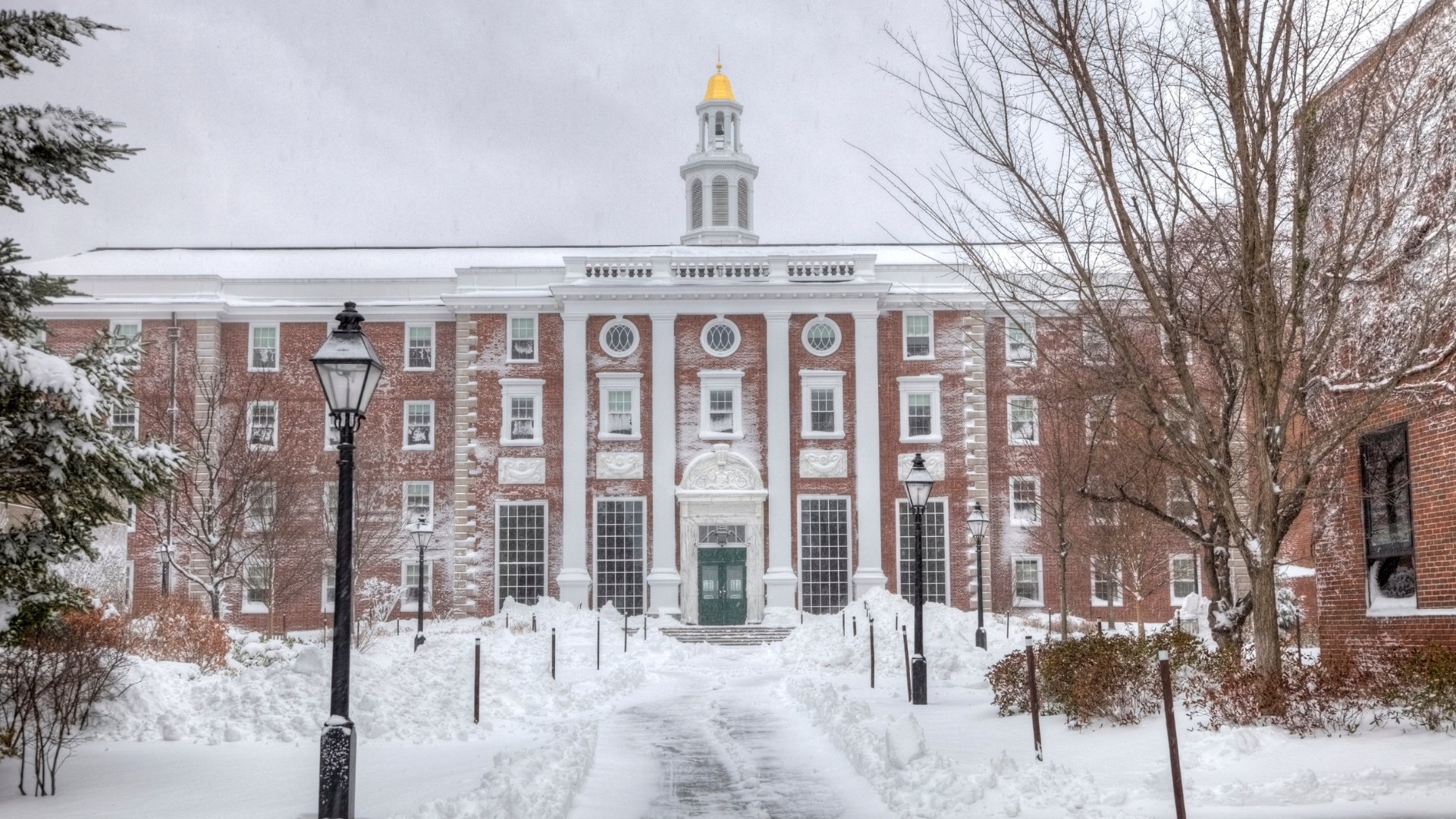
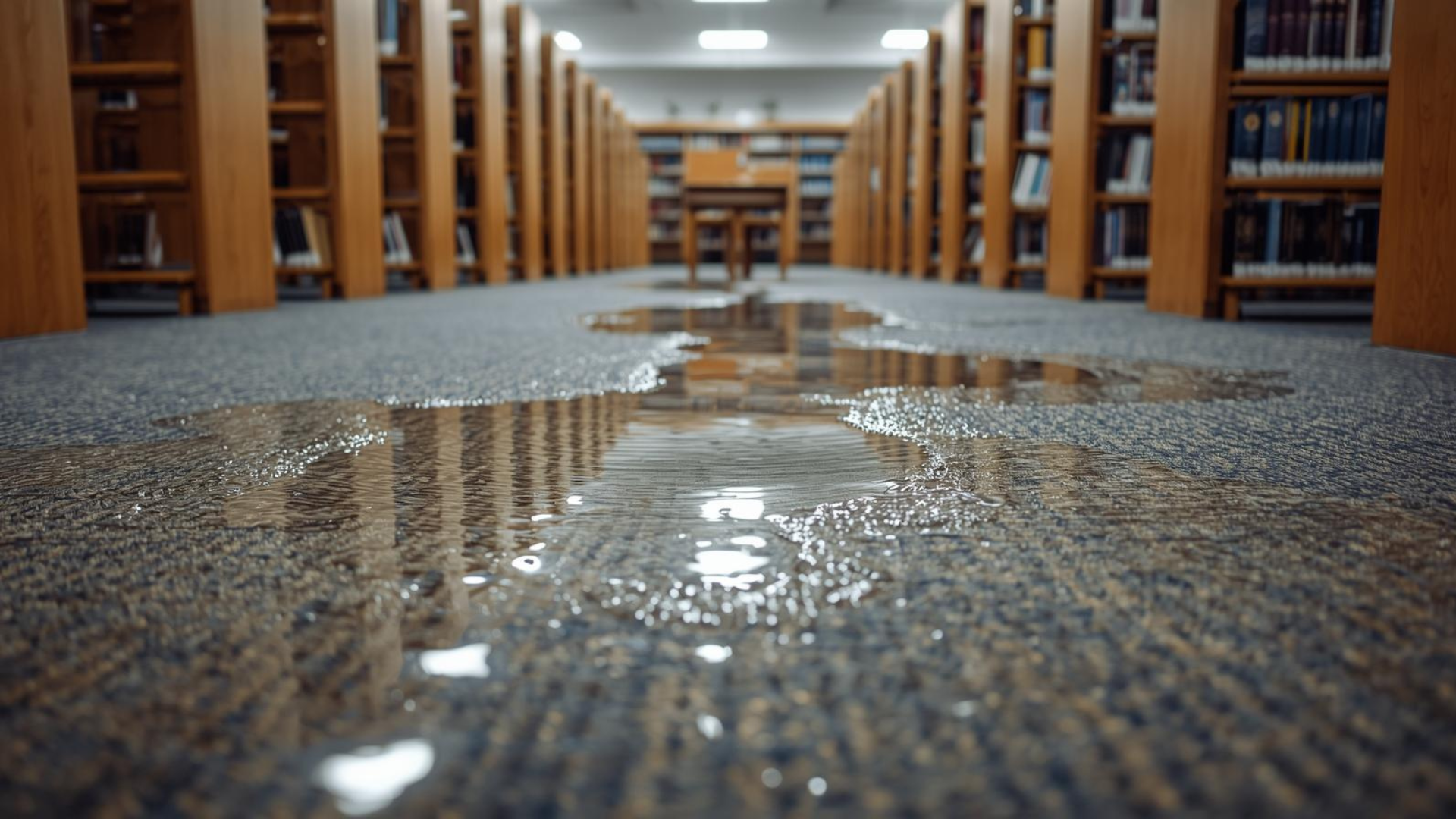
When temperatures drop, archives, libraries, and records storage facilities face hidden risks that extend beyond cold air and low humidity. Frozen pipes and sudden bursts can release hundreds of gallons of water in minutes, threatening the safety of irreplaceable files, books, and archival materials. For organizations responsible for preserving cultural heritage and critical records, a proactive approach to water management can mean the difference between minimal disruption and a devastating loss.
Arguably, the cornerstone of safeguarding archives and collections lies in prevention, which makes understanding potential threats crucial. This is why The Canadian Museum of Nature and the Canadian Conservation Institute have compiled a list of the top 10 agents of deterioration, identifying the primary hazards to historical objects. This compilation aims to assist in preventing and protecting valuable collections, whether housed in museums or homes.
As the chill of winter sets in, businesses and organizations face unique challenges in protecting their valuable documents and archives. Learn about winter's risks to your documents and how to apply practical tips for safeguarding them.
A recent article in the New York Times “Floods, Fires and Humidity: How Climate Change Affects Book Preservation” discusses the affects of climate change on book preservation with the overall increase in natural disasters. Between flood, fires, and humidity, the possibilities for damage are constantly growing. Below, our subject matter expert, Matt DeCirce, discusses his point of view on how climate change affects he’s seeing and what Polygon is doing to help our clients prepare for the unexpected.
Emergency Support
1-800-422-6379Send an email
us_info@polygongroup.com24/7 Hotline
Urgent equipment and operational support
Property damage
Documents and contents damage
24/7 Emergency:
United States: 1-800-422-6379
Canada: 1-888-702-4782
Your questions and comments are important to us. Please send us your information with a description of your needs and we will connect with you promptly.
Polygon US Headquarters
15 Sharpners Pond Road, Building F North Andover, MA 01845
Phone: 1-800-422-6379
See all our US locations here: Polygon US office locations
For global support, please contact one of our offices listed here: Our Global offices - Polygon Group