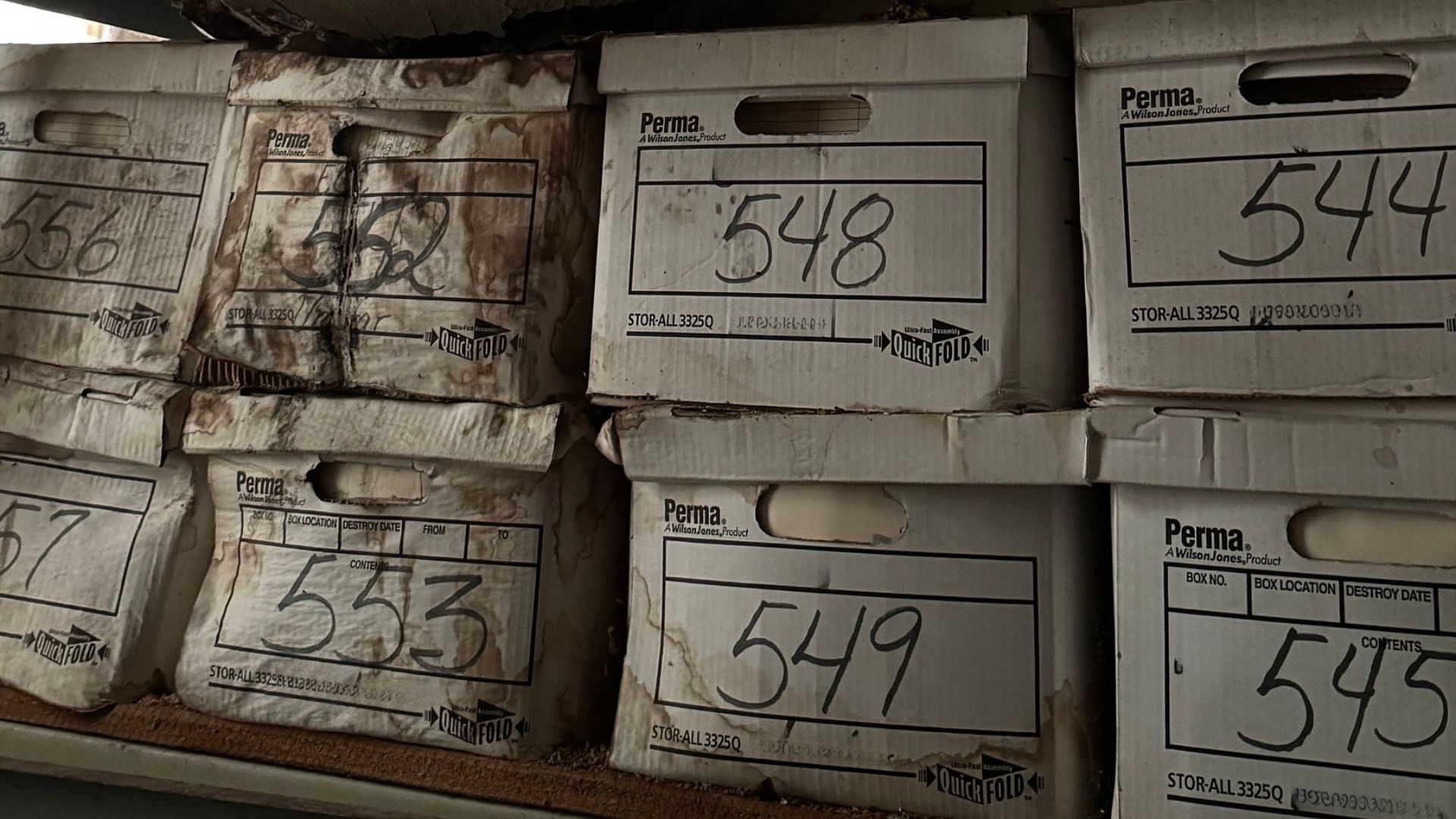
When a flood, fire, or mold event damages an organization's records, the immediate priority is often cleanup and recovery. But alongside the physical restoration process, another important consideration deserves attention: information governance.

Notice
You are now leaving Polygon Restoration's website and will be directed to another country in the group.
Do you want to proceed?
When a flood, fire, or mold event damages an organization's records, the immediate priority is often cleanup and recovery. But alongside the physical restoration process, another important consideration deserves attention: information governance.
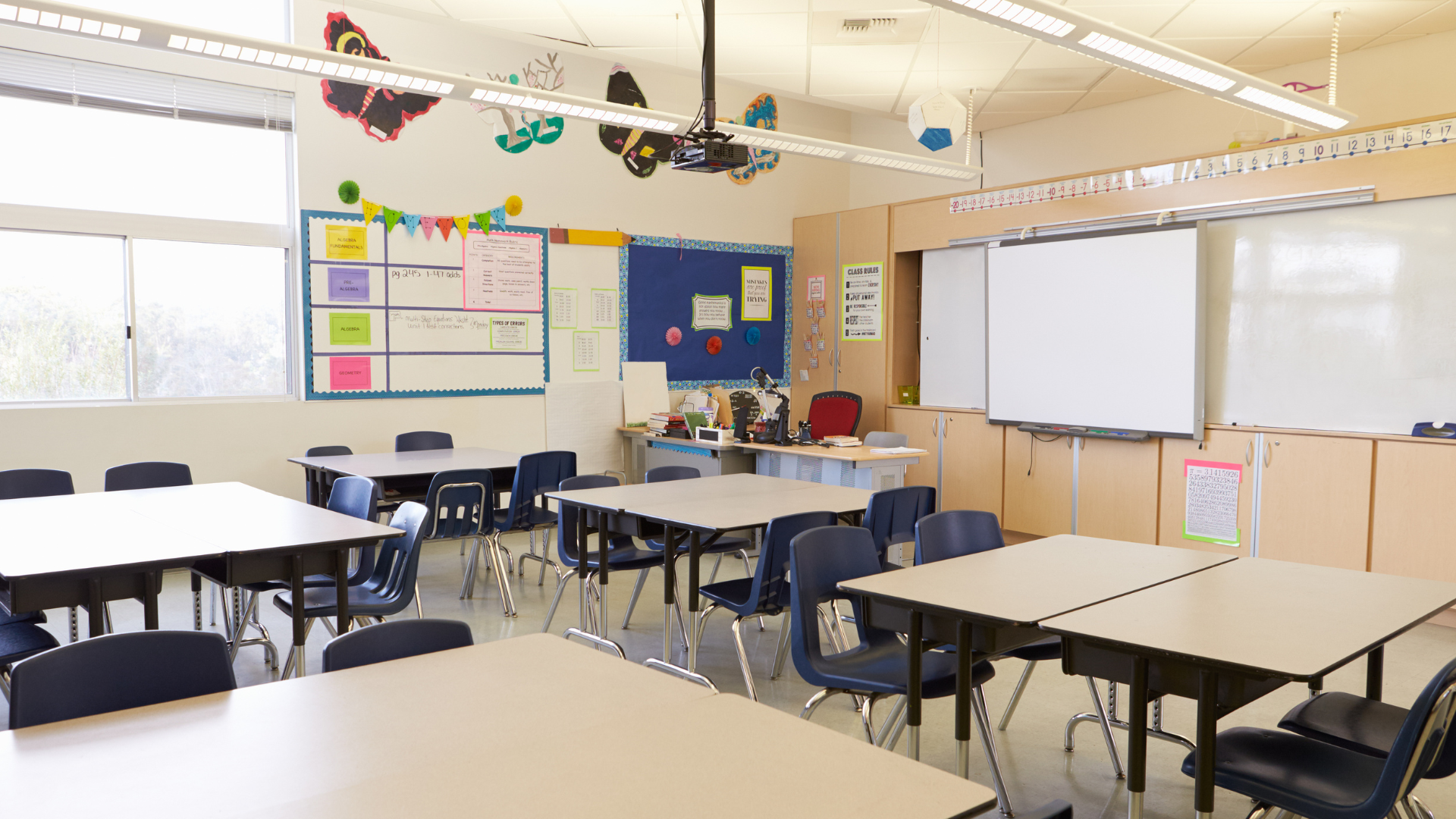
As educators return to school after summer break, they may discover more than empty classrooms and forgotten supplies. A musty smell, warped books, stuck-together pages, and visible mold are signs that items were exposed to moisture. Schools should reconsider simply throwing away materials. Here’s what you can do.
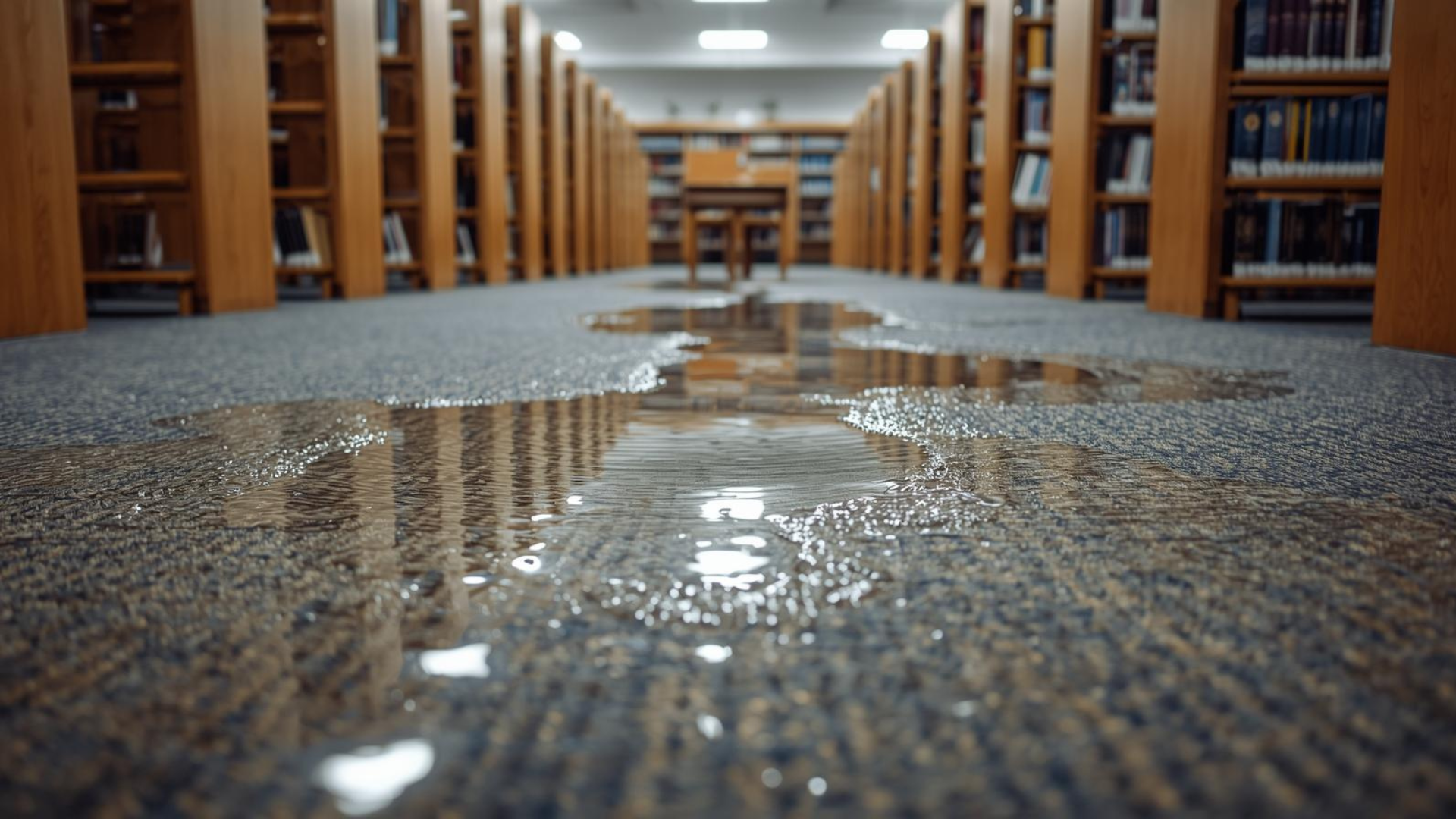
When temperatures drop, archives, libraries, and records storage facilities face hidden risks that extend beyond cold air and low humidity. Frozen pipes and sudden bursts can release hundreds of gallons of water in minutes, threatening the safety of irreplaceable files, books, and archival materials. For organizations responsible for preserving cultural heritage and critical records, a proactive approach to water management can mean the difference between minimal disruption and a devastating loss.
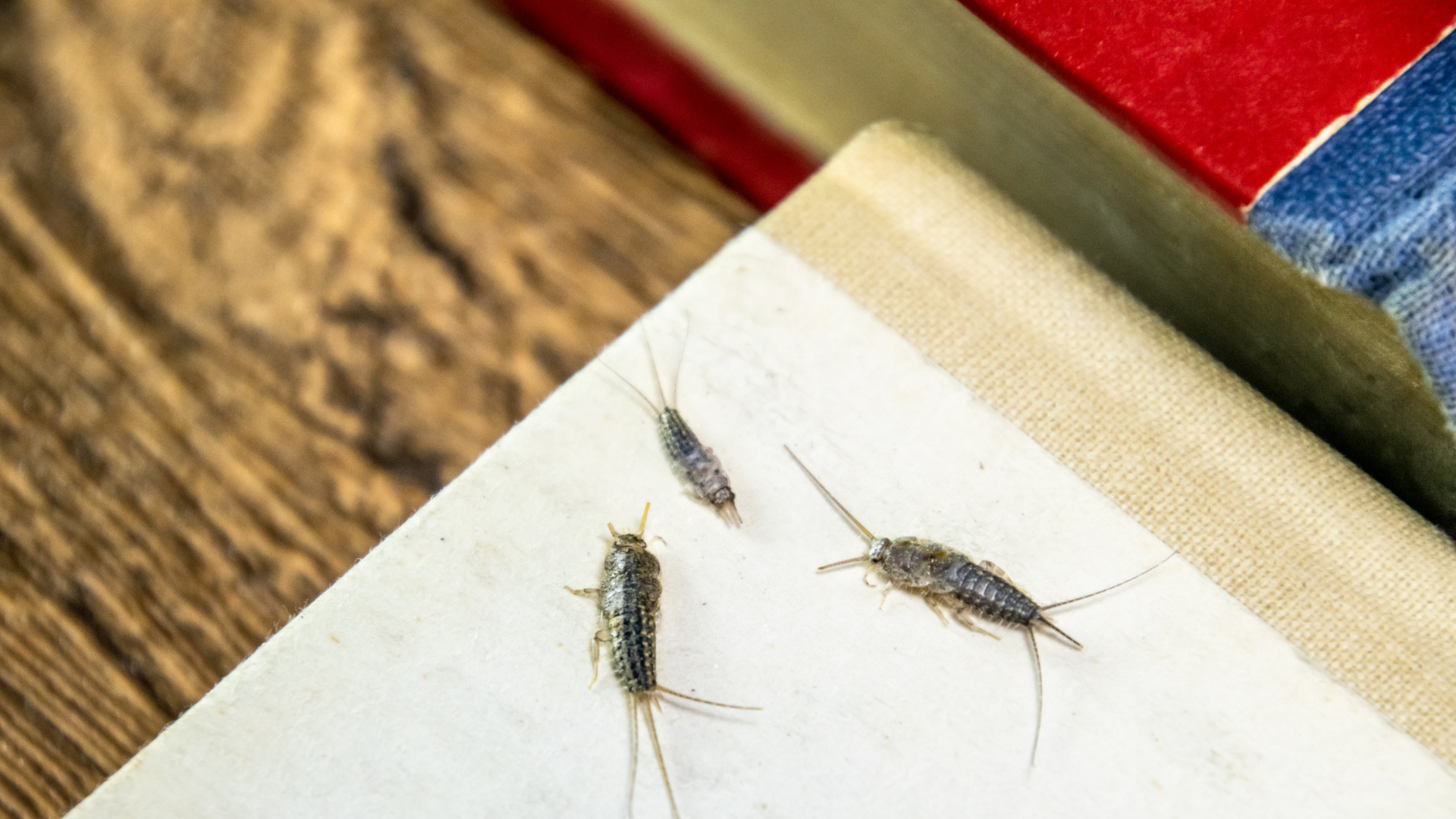
Silverfish, small wingless insects, pose a significant threat to archived documents. These pests thrive in dark, damp environments and have a particular appetite for starchy materials, making paper, book bindings, and even photographs prime targets. As they feed, silverfish leave behind tiny holes, yellow stains, and shed scales, which can damage valuable historical records.
When the Cathedral Notre Dame in Paris experienced a near-catastrophic fire in April of 2019, it served as a stark reminder that important cultural documents and artifacts, such as original pieces of literature and priceless works of art, could be lost permanently in an instant. Even data preserved on hard drives at a university are potential casualties from an event such as a flood or fire in the server room. How likely is it that these crucial documents are at risk? And what should institutions do to build their facilities’ resiliency from both a proactive and reactive standpoint?
Emergency Support
1-800-422-6379Send an email
us_info@polygongroup.com24/7 Hotline
Urgent equipment and operational support
Property damage
Documents and contents damage
24/7 Emergency:
United States: 1-800-422-6379
Canada: 1-888-702-4782
Your questions and comments are important to us. Please send us your information with a description of your needs and we will connect with you promptly.
Polygon US Headquarters
15 Sharpners Pond Road, Building F North Andover, MA 01845
Phone: 1-800-422-6379
See all our US locations here: Polygon US office locations
For global support, please contact one of our offices listed here: Our Global offices - Polygon Group