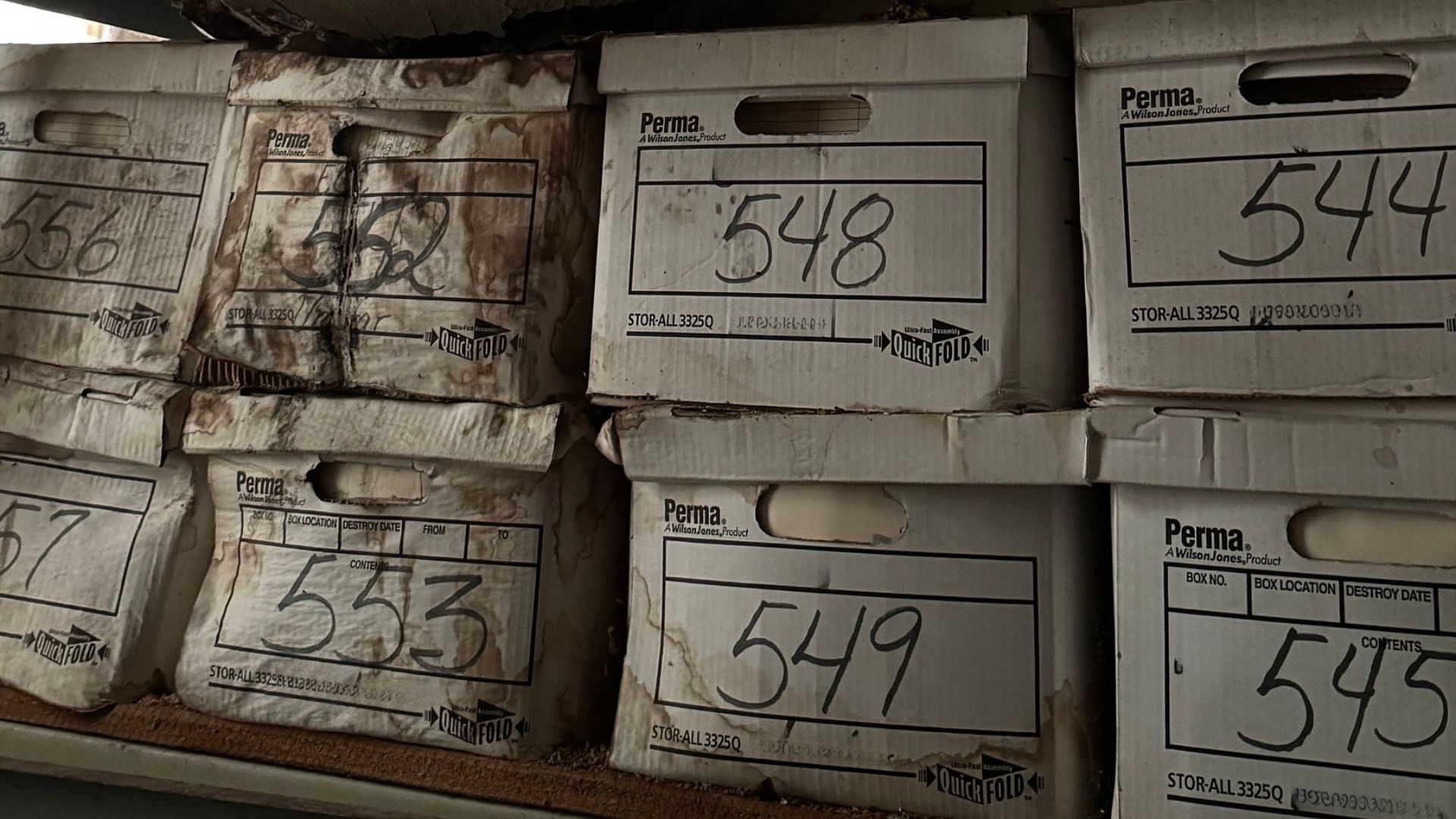
When a flood, fire, or mold event damages an organization's records, the immediate priority is often cleanup and recovery. But alongside the physical restoration process, another important consideration deserves attention: information governance.

Notice
You are now leaving Polygon Restoration's website and will be directed to another country in the group.
Do you want to proceed?
When a flood, fire, or mold event damages an organization's records, the immediate priority is often cleanup and recovery. But alongside the physical restoration process, another important consideration deserves attention: information governance.
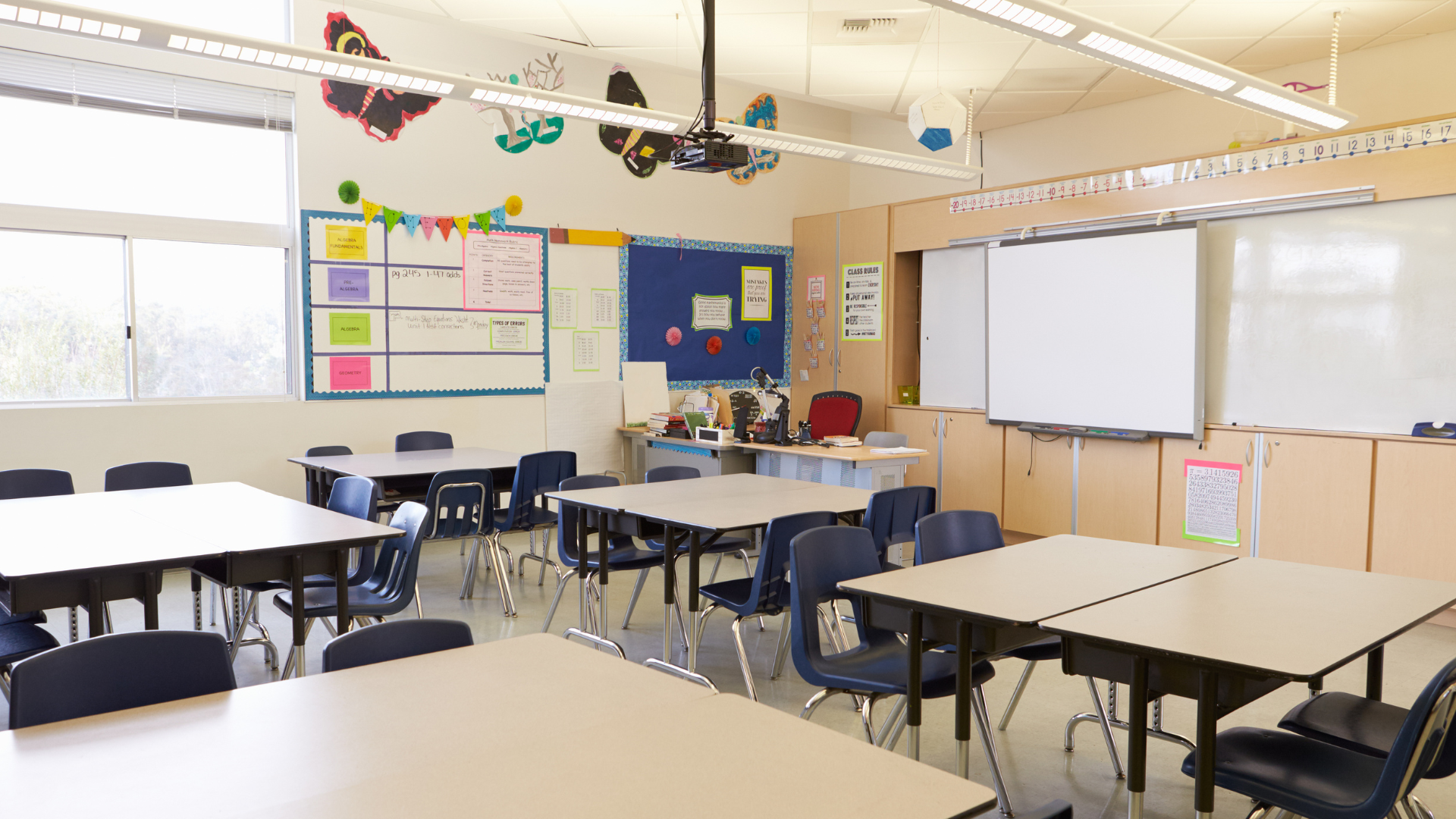
As educators return to school after summer break, they may discover more than empty classrooms and forgotten supplies. A musty smell, warped books, stuck-together pages, and visible mold are signs that items were exposed to moisture. Schools should reconsider simply throwing away materials. Here’s what you can do.
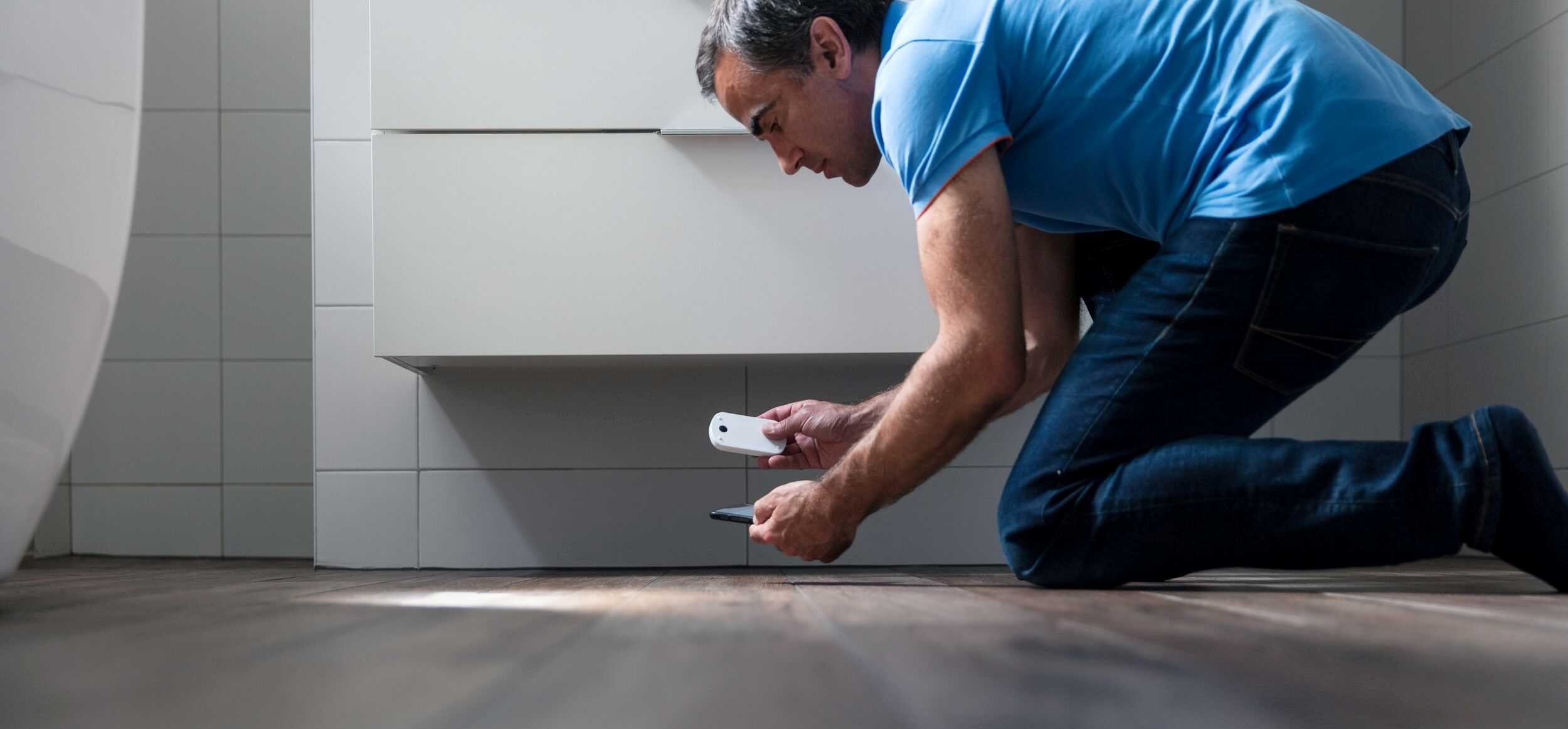
Water damage remains one of the most common and costly risks facing properties across the United States. While severe weather events continue to drive insurance losses, many of the most expensive incidents start much smaller, such as an unnoticed plumbing leak, a slow drip in a mechanical room, or elevated humidity behind walls. Left unchecked, these minor issues can quickly escalate into major damage, operational disruption, and costly repairs. For property managers overseeing multiple buildings, relying on reactive maintenance is both inefficient and expensive. Today, smart monitoring technology makes it possible to detect issues early and shift from reactive response to proactive prevention.
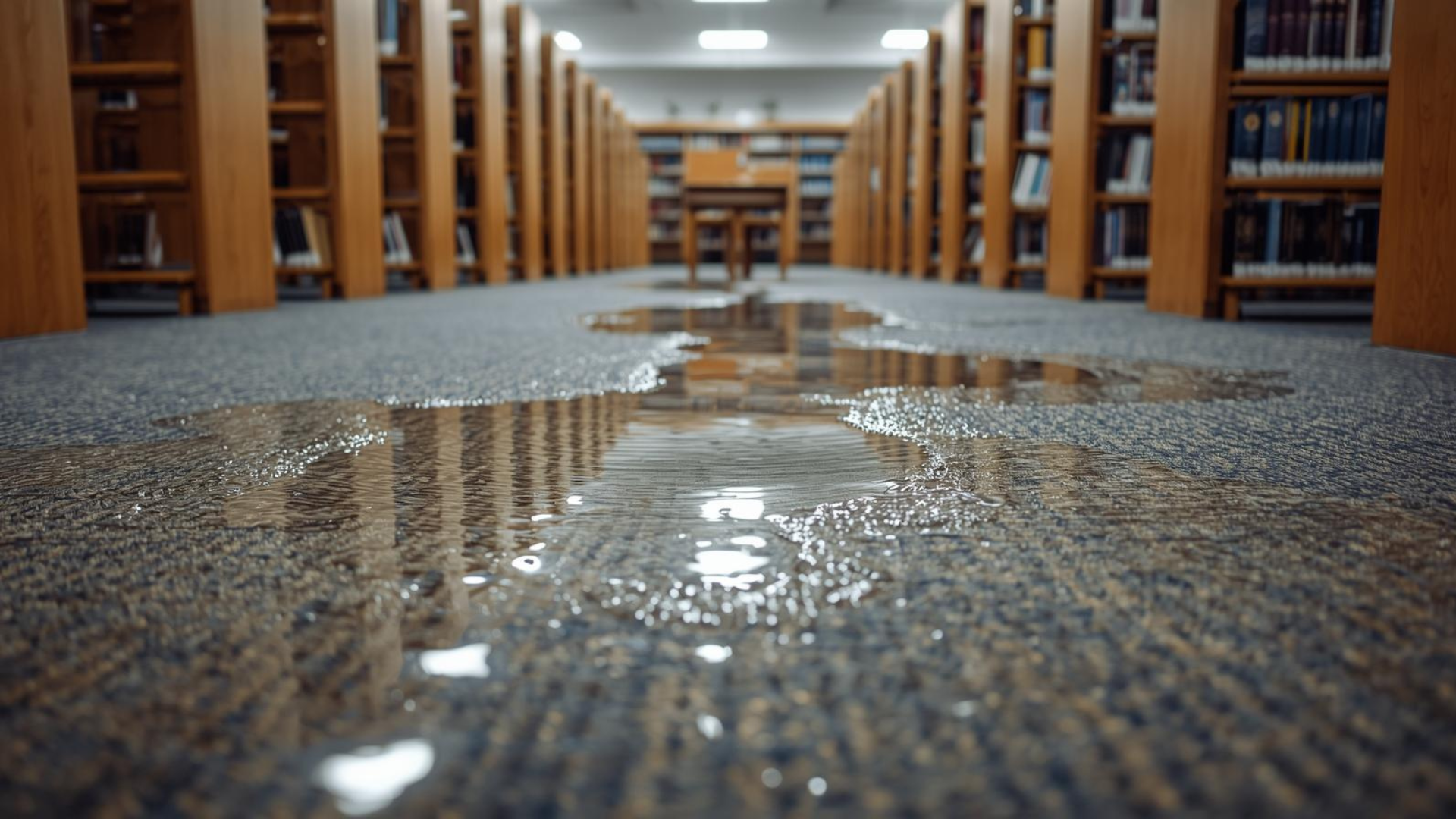
When temperatures drop, archives, libraries, and records storage facilities face hidden risks that extend beyond cold air and low humidity. Frozen pipes and sudden bursts can release hundreds of gallons of water in minutes, threatening the safety of irreplaceable files, books, and archival materials. For organizations responsible for preserving cultural heritage and critical records, a proactive approach to water management can mean the difference between minimal disruption and a devastating loss.
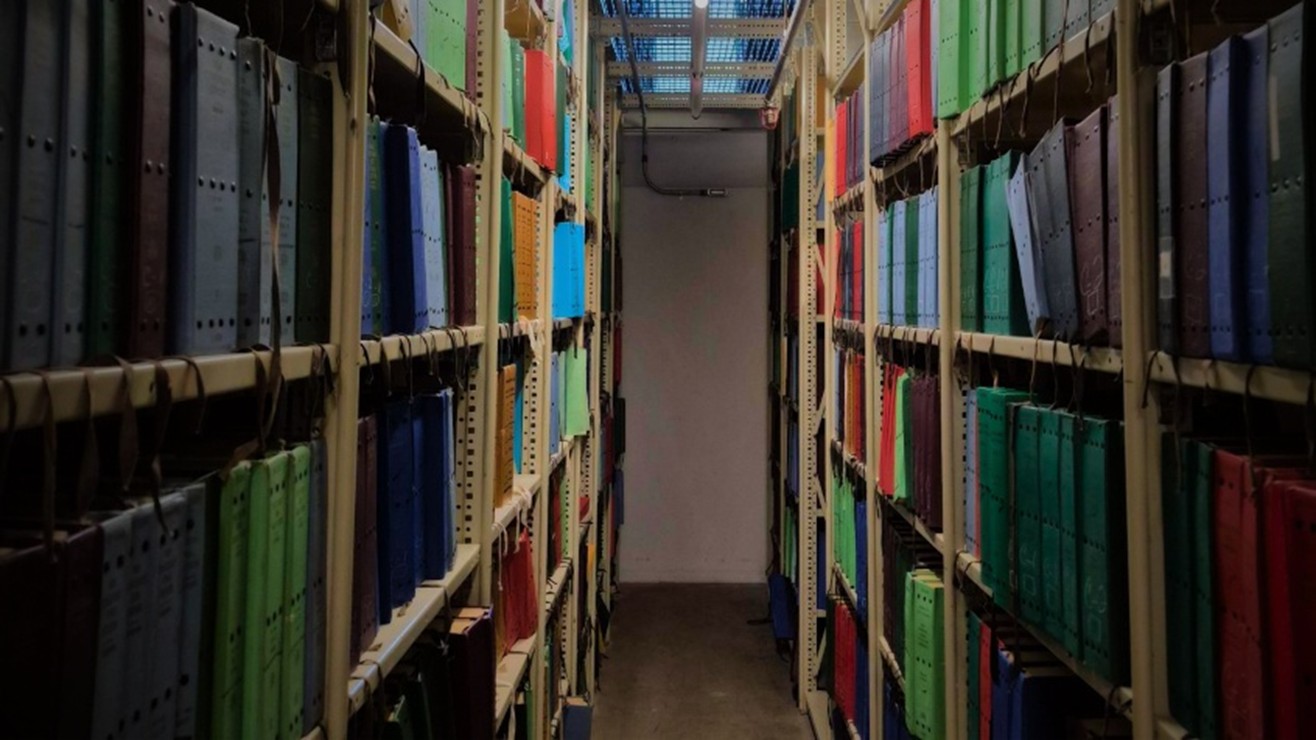
When priceless collections face environmental risk, swift, expert action matters. That’s exactly what the Cleveland Public Library (CPL) needed for its 650,000 books exposed to excessive moisture conditions. In late 2025, CPL embarked on a major initiative at its Lakeshore facility to clean and transport part of their collection to a new, more well-equipped facility. As part of this effort, Polygon was brought in to clean the books and prepare them for transportation.
Emergency Support
1-800-422-6379Send an email
us_info@polygongroup.com24/7 Hotline
Urgent equipment and operational support
Property damage
Documents and contents damage
24/7 Emergency:
United States: 1-800-422-6379
Canada: 1-888-702-4782
Your questions and comments are important to us. Please send us your information with a description of your needs and we will connect with you promptly.
Polygon US Headquarters
15 Sharpners Pond Road, Building F North Andover, MA 01845
Phone: 1-800-422-6379
See all our US locations here: Polygon US office locations
For global support, please contact one of our offices listed here: Our Global offices - Polygon Group